5 November 2026
Acceptance Test Driven Development: a DSL approach
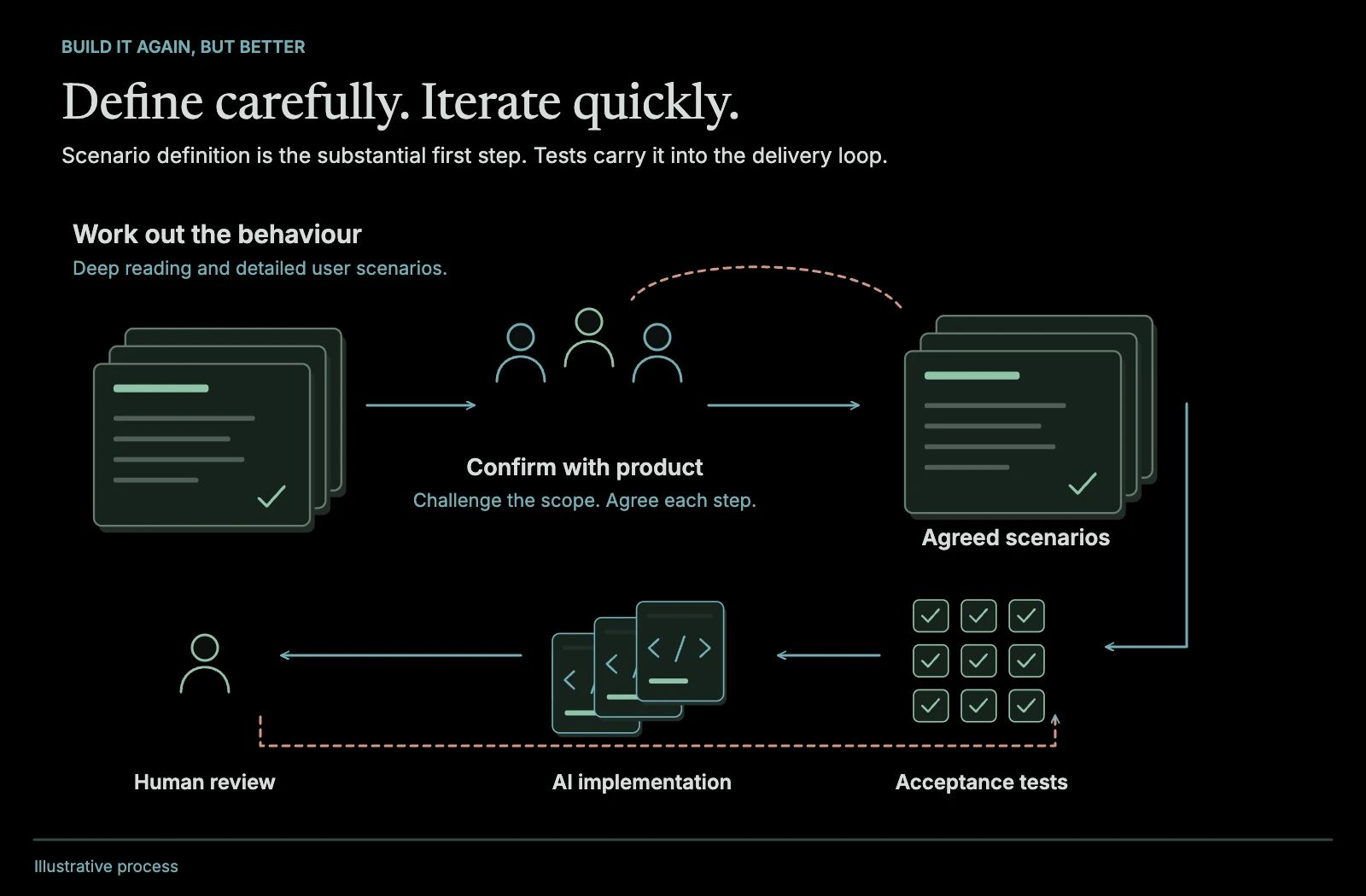
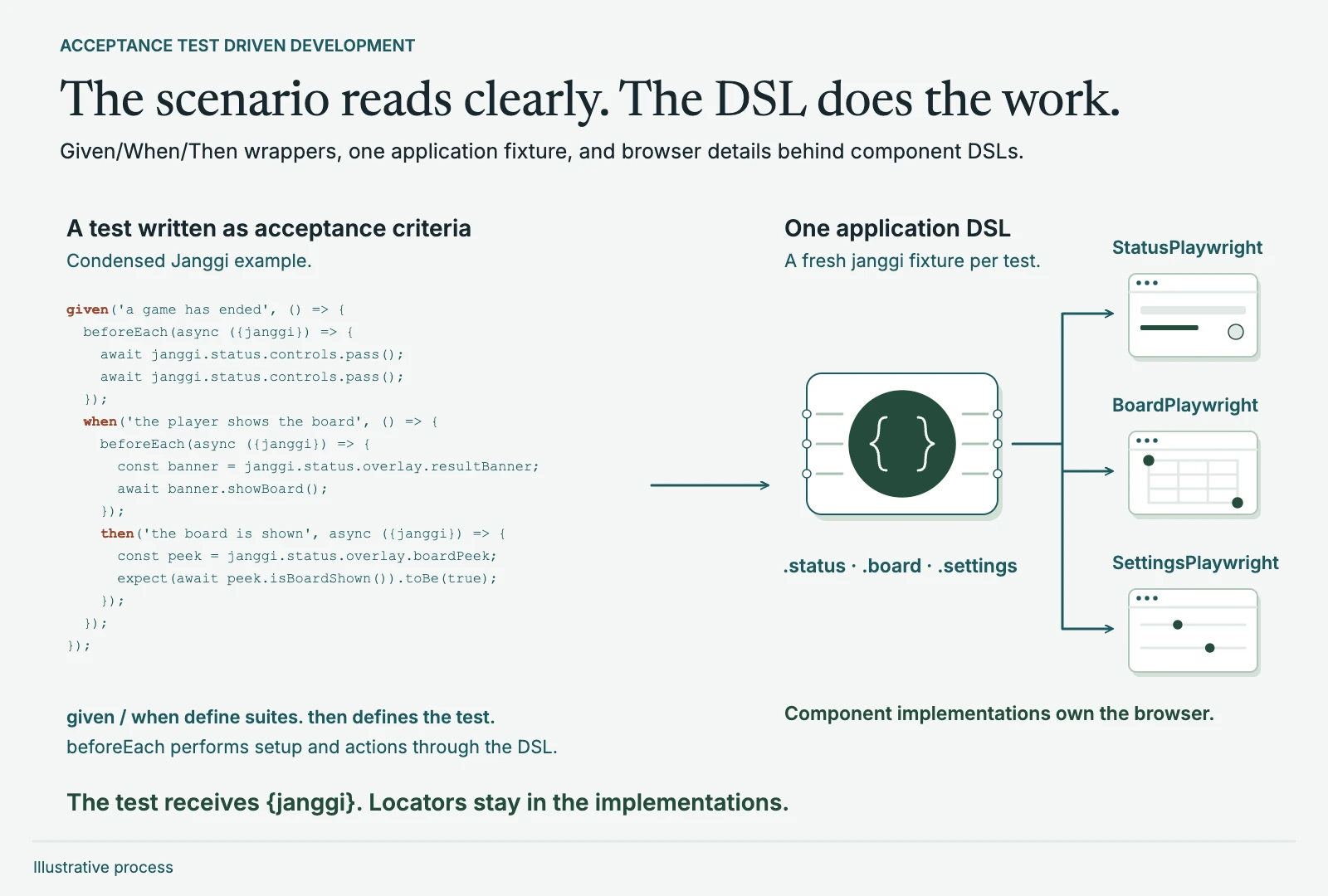
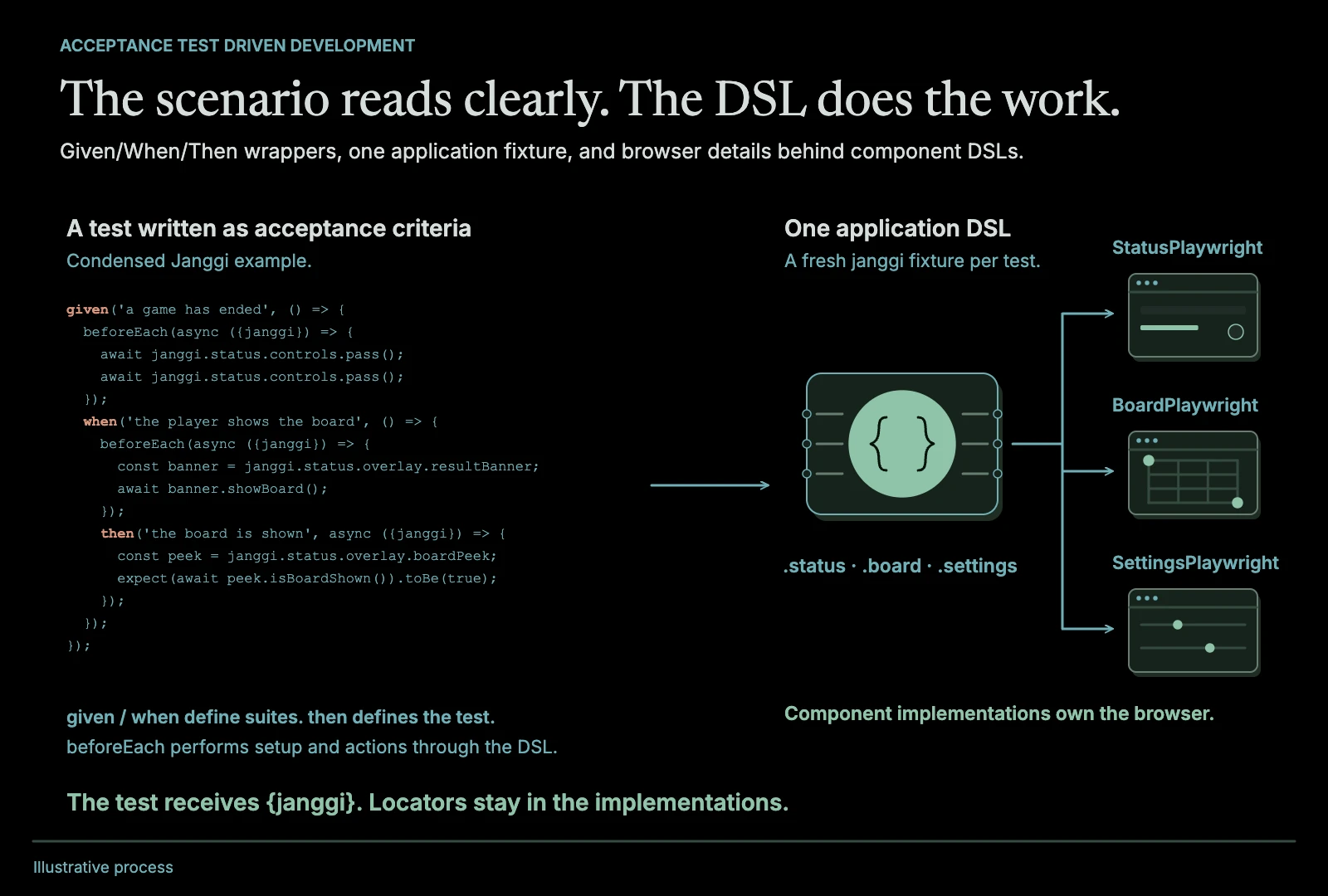
Test from the highest level of the system, and keep those tests clean by putting a DSL between them and the browser. How I've used it, and why it matters more with AI.
Read the post
Software
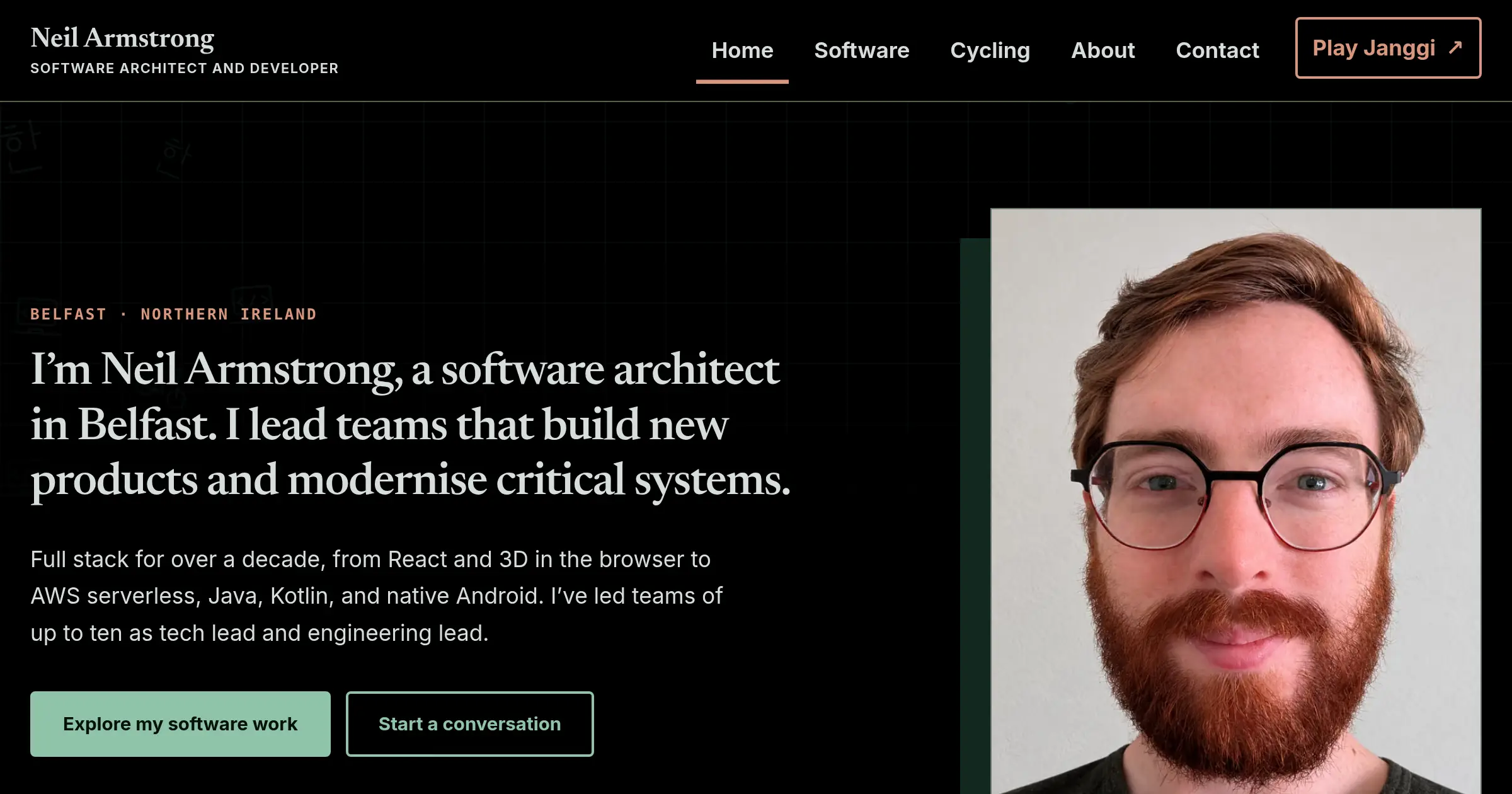
I’m Neil Armstrong, a Belfast software architect and developer. I take products from early ideas to working software, transform systems that are hard to change, and use tests written in the language of the product as evidence. Below are my opinions on how to build software, the professional work behind them, and the open-source projects I maintain.
What sets me apart
I start from what users need, then work back to the architecture.
Working end-to-end prototypes give product, design, and engineering something concrete to test.
Readable acceptance tests turn requirements into evidence and make ambitious changes safer.
Boundaries, linting, and pipelines are checked by tooling, not good intentions.
Opinions
Shorter pieces on technique, written to sit beside the case studies.
5 November 2026
Test from the highest level of the system, and keep those tests clean by putting a DSL between them and the browser. How I've used it, and why it matters more with AI.
Read the post
5 November 2026
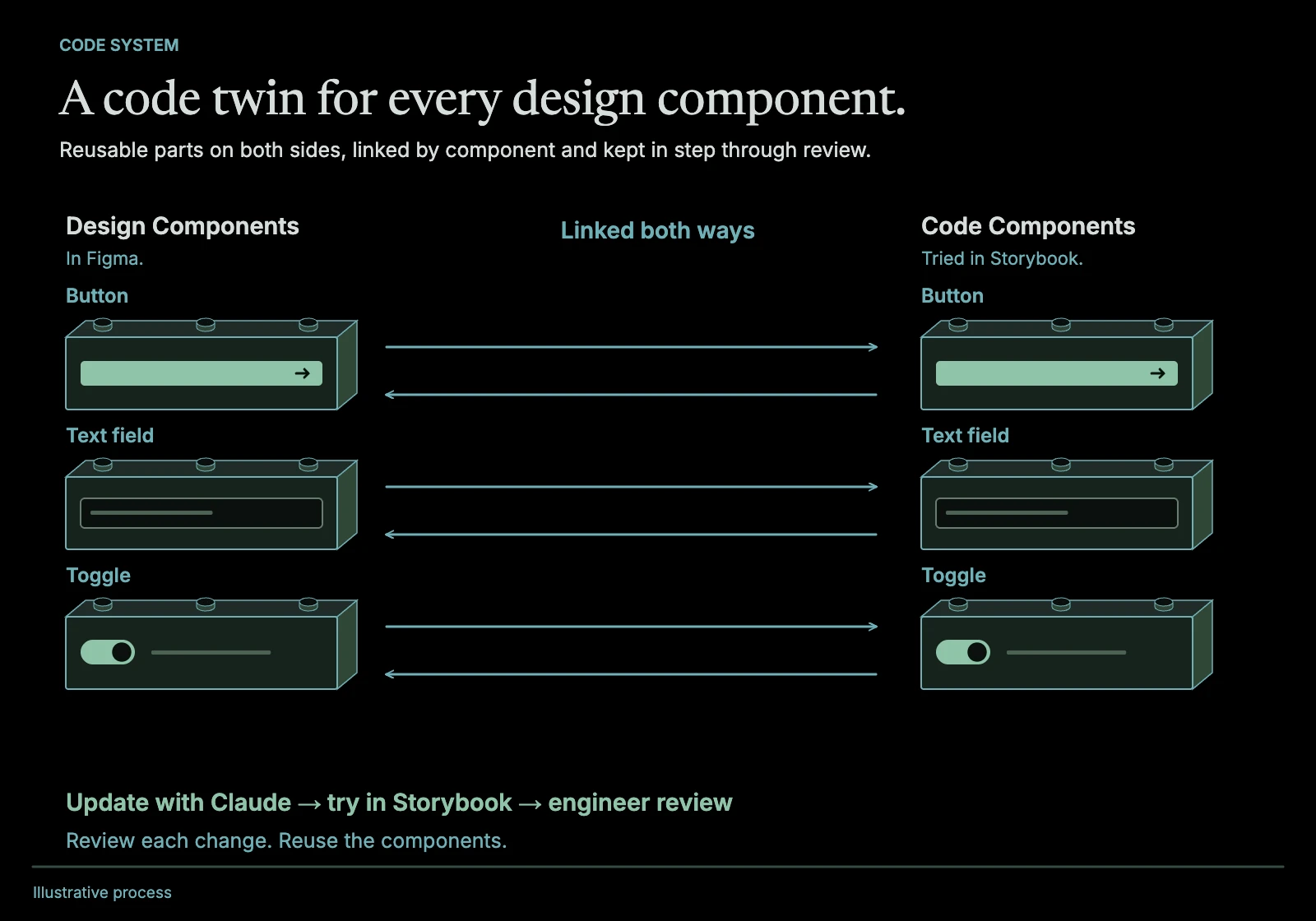
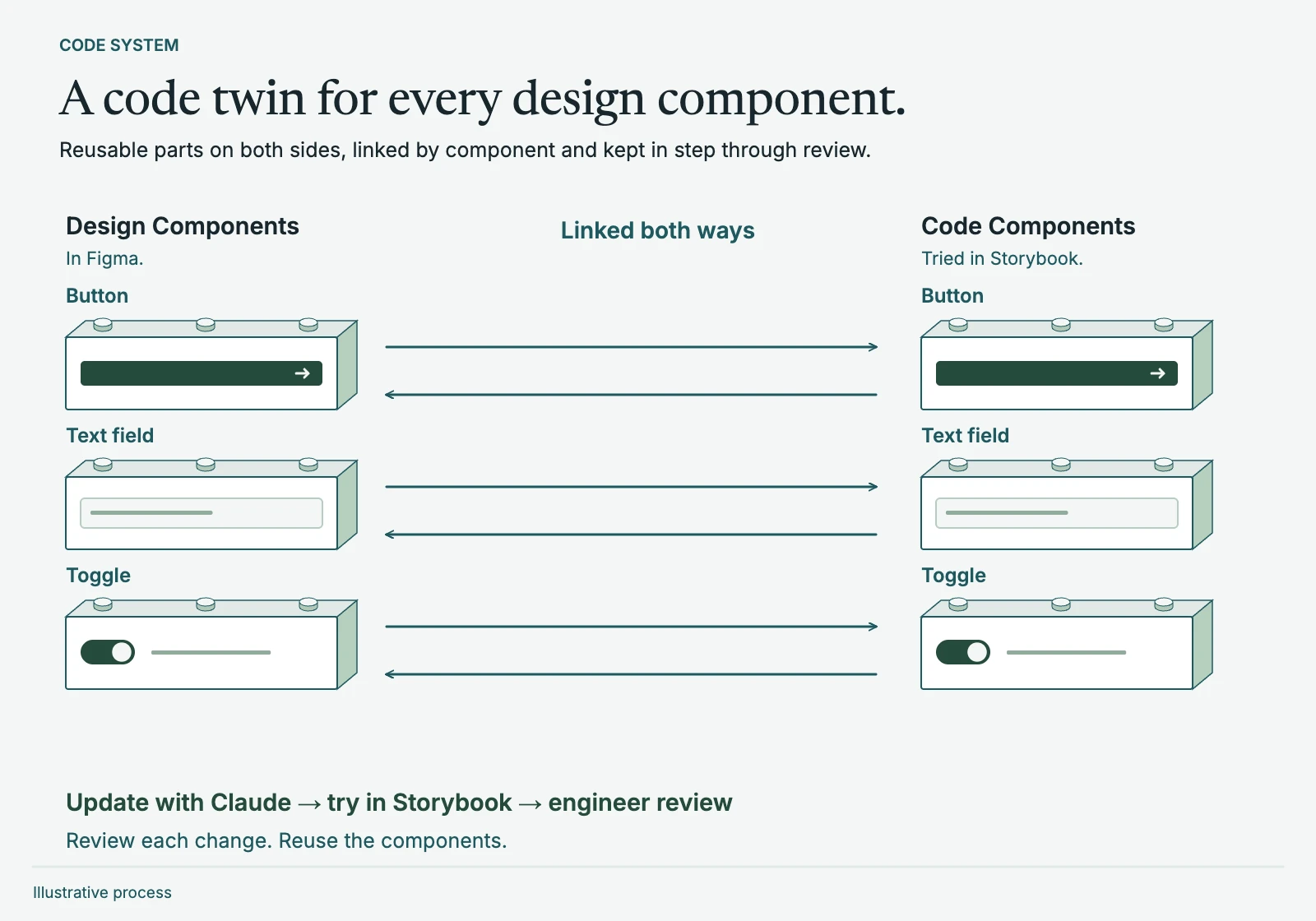
A code mirror of the design system, with each component linked both ways, so what's in Figma and what's in the app stay the same. How I did it before LLMs, and what changed.
Read the post
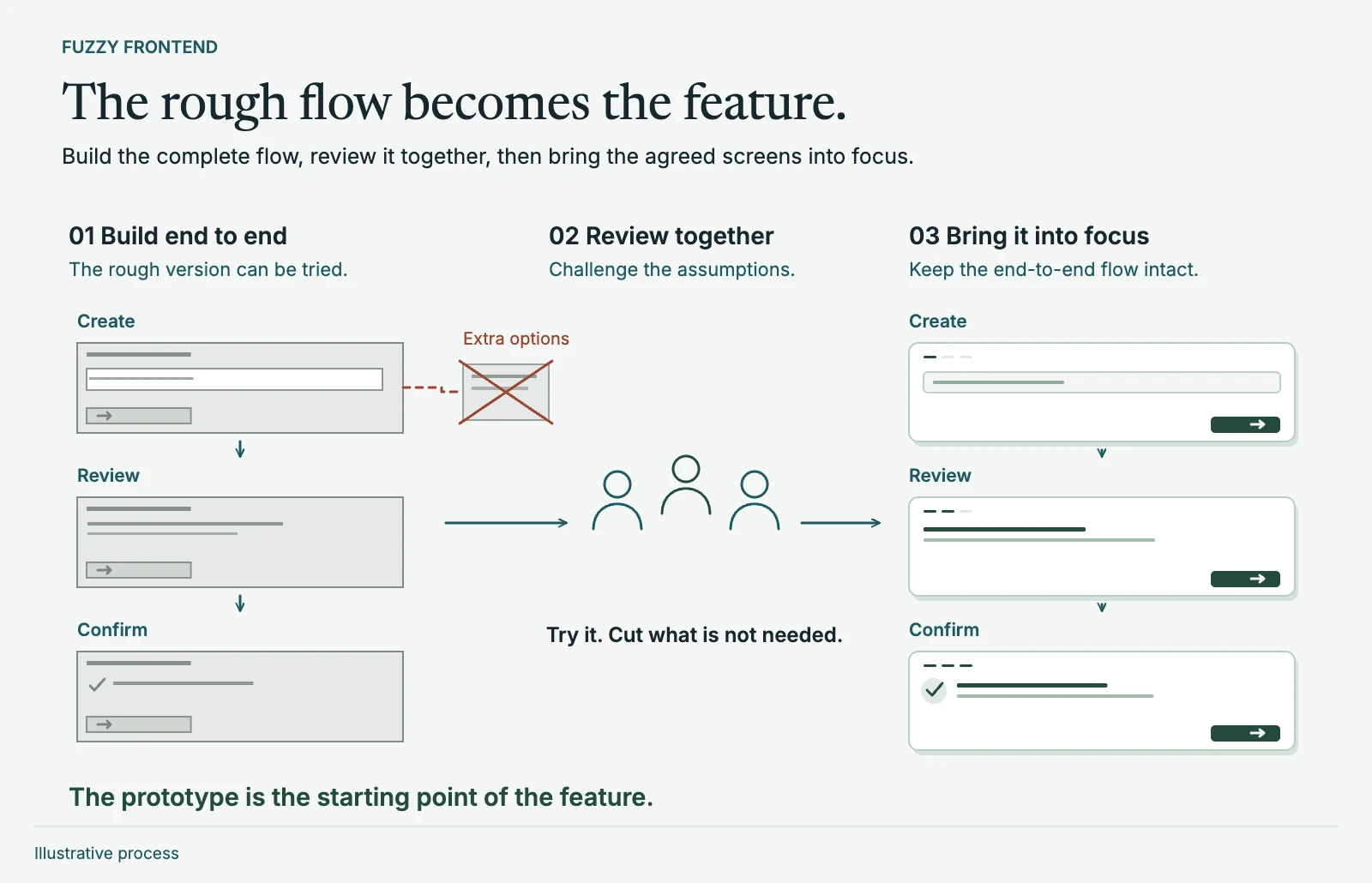
5 November 2026
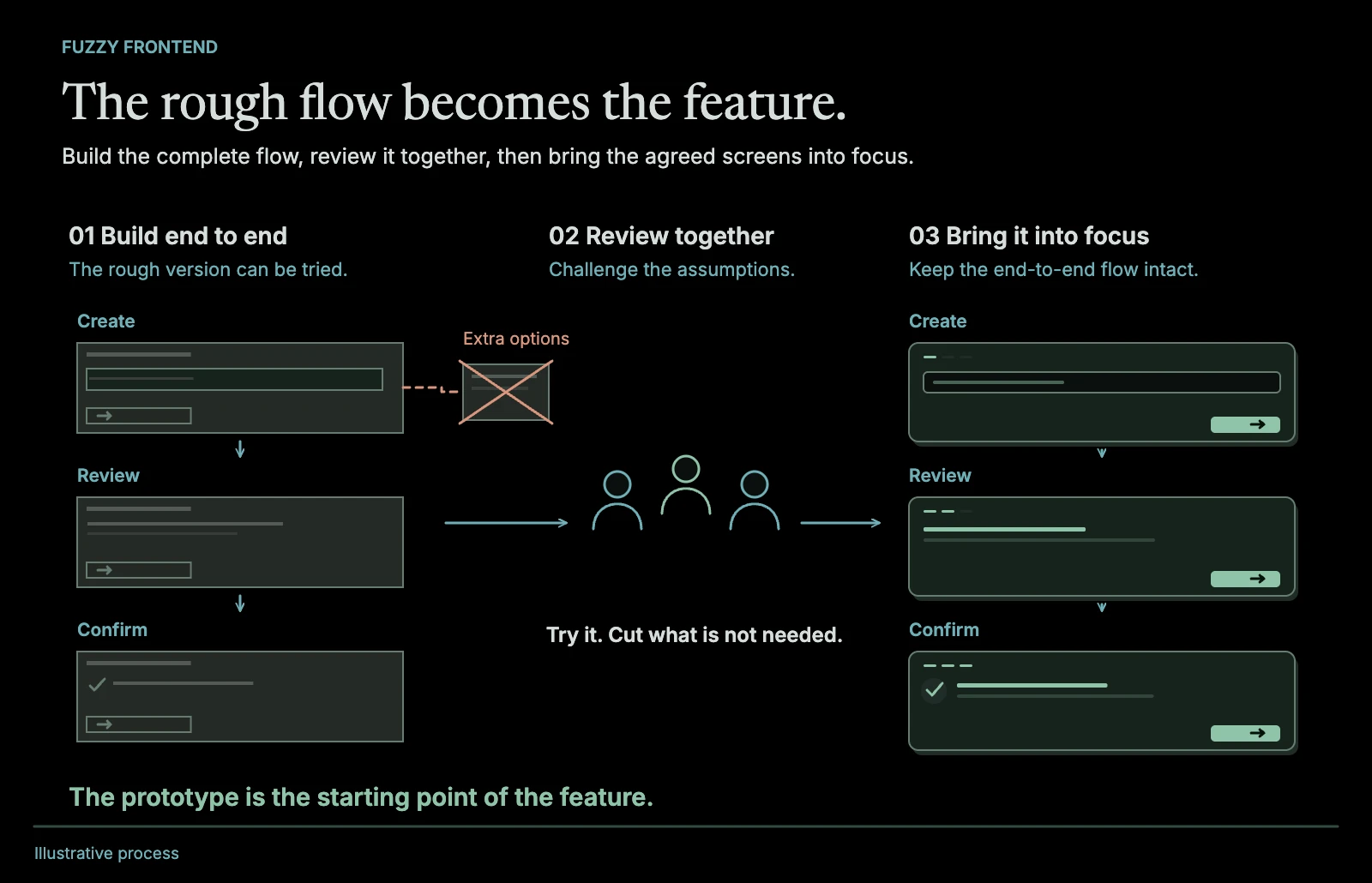
Build just the UI of a feature, end to end and roughly, and put it in front of people before the rest of the work begins. How I used it before AI, and what AI changed.
Read the post
Professional work
These case studies are anonymised, but the systems, decisions, and outcomes are real.
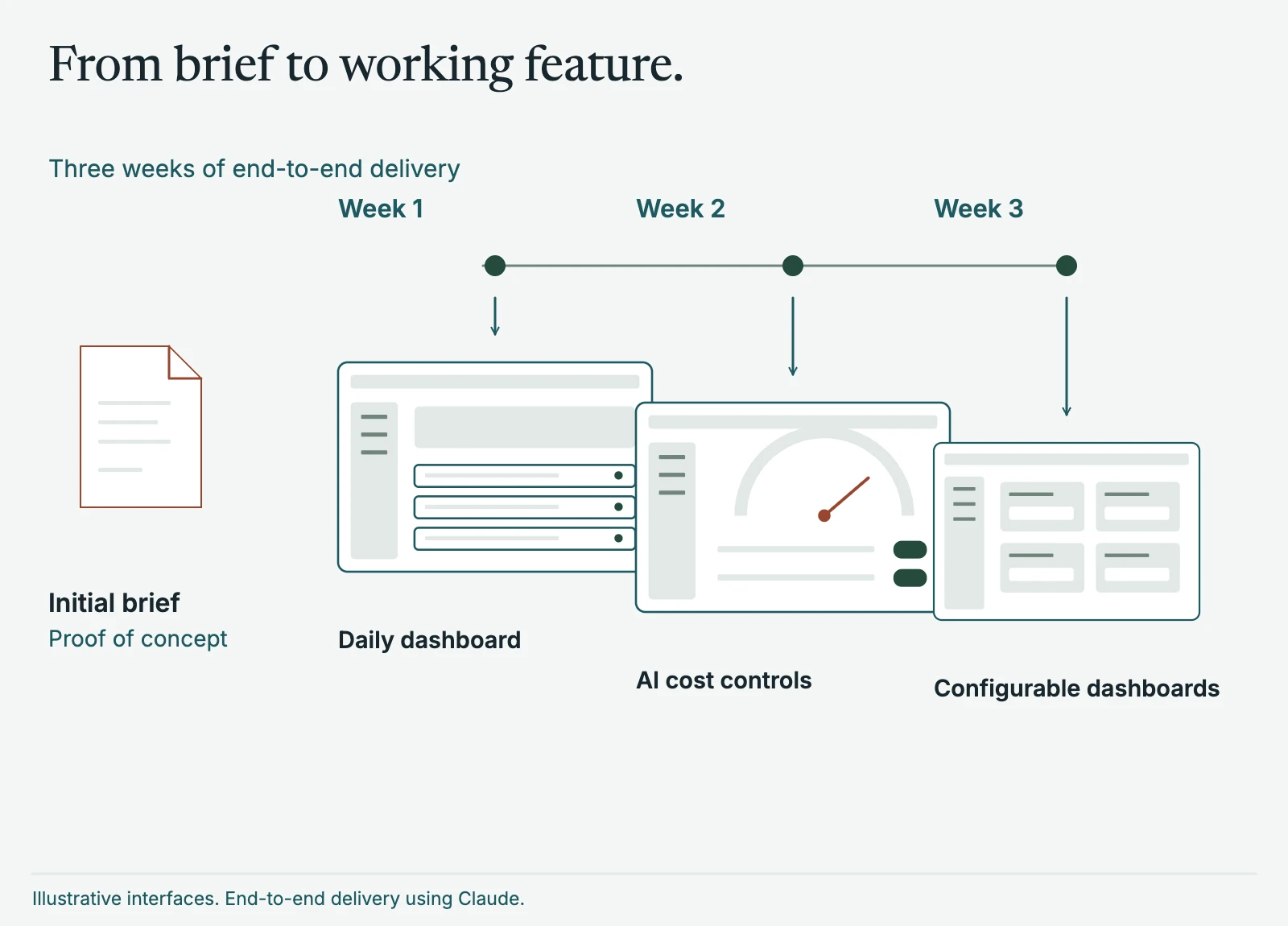
October 2026
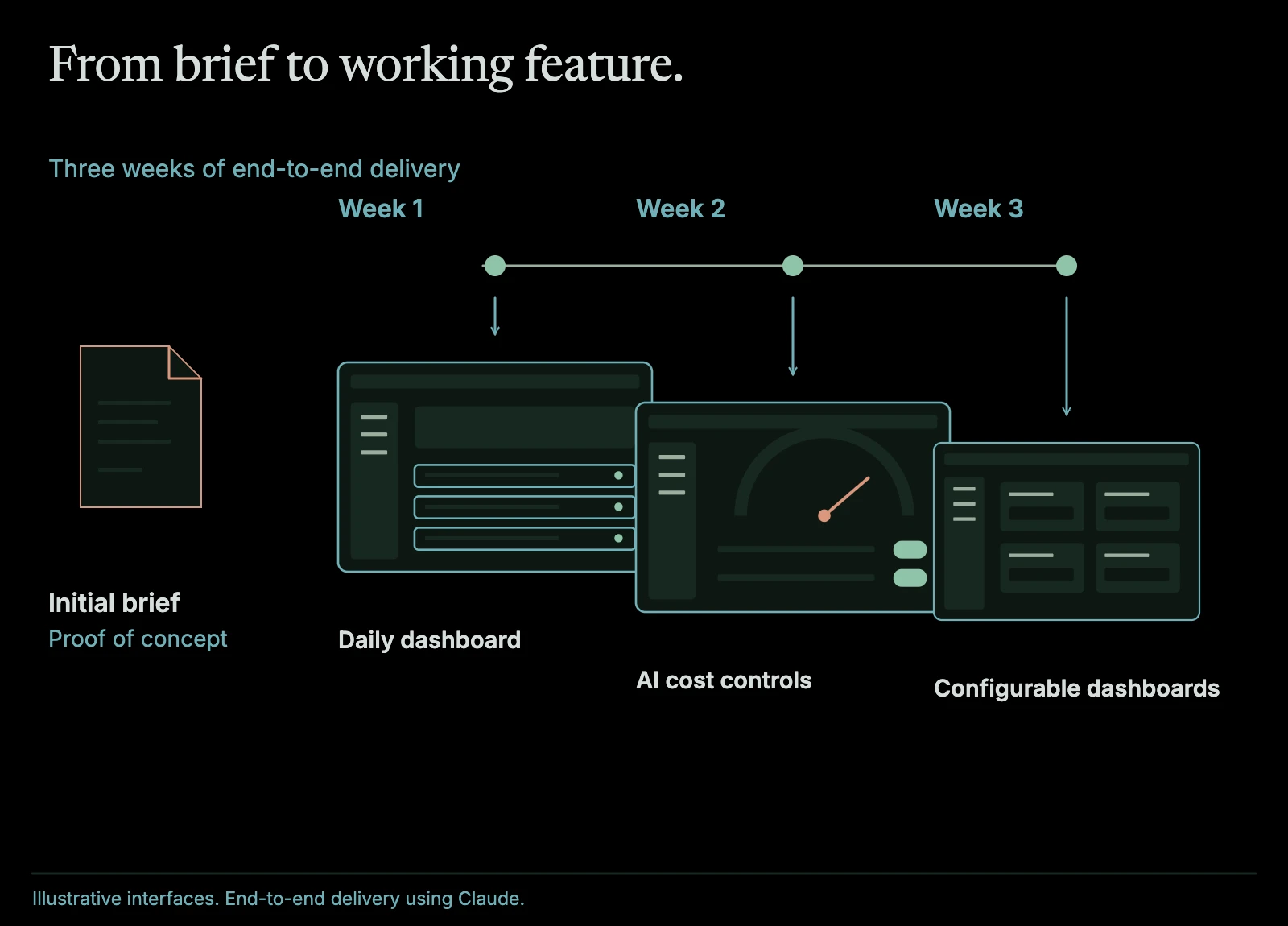
The client expected a proof of concept that turned a sentence into JSON. In three weeks I built the full AI dashboard around it, using Claude.
Software Engineer (Contract)
Read the case study
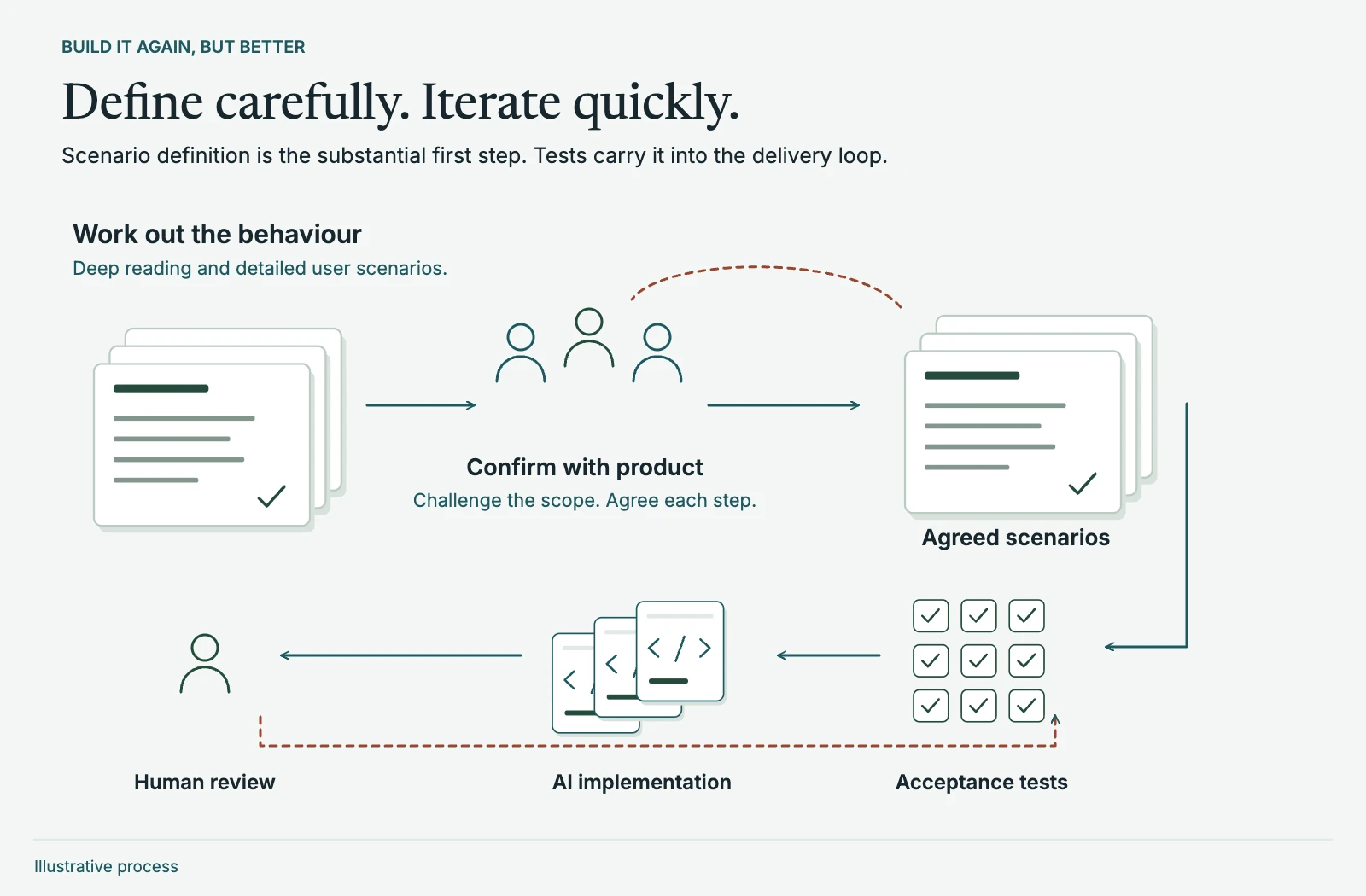
2025–2026
Rebuilding a critical loan-processing application and more than 50 Lambda functions, with acceptance tests as proof that nothing regressed.
Tech lead
Read the case study
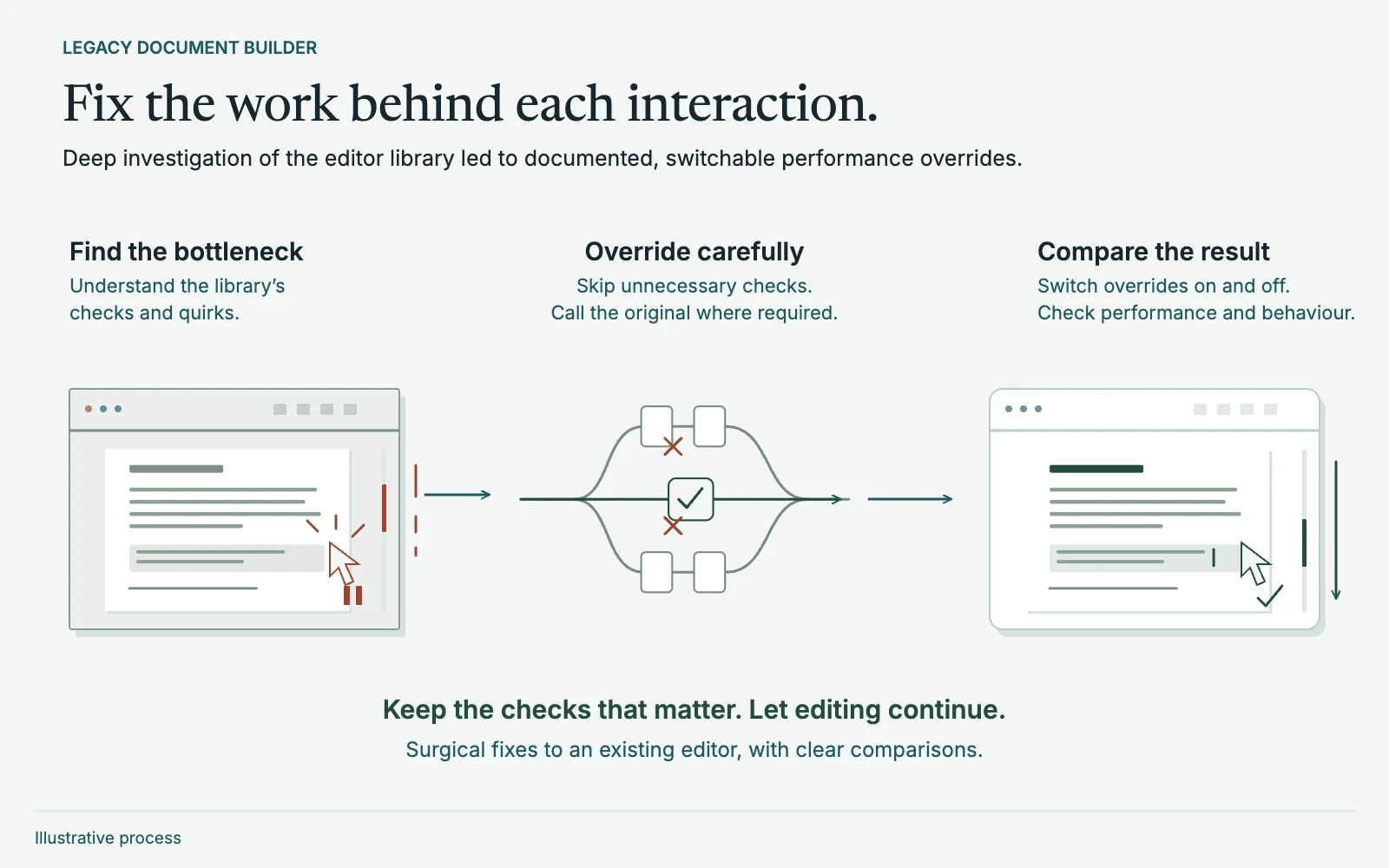
2025
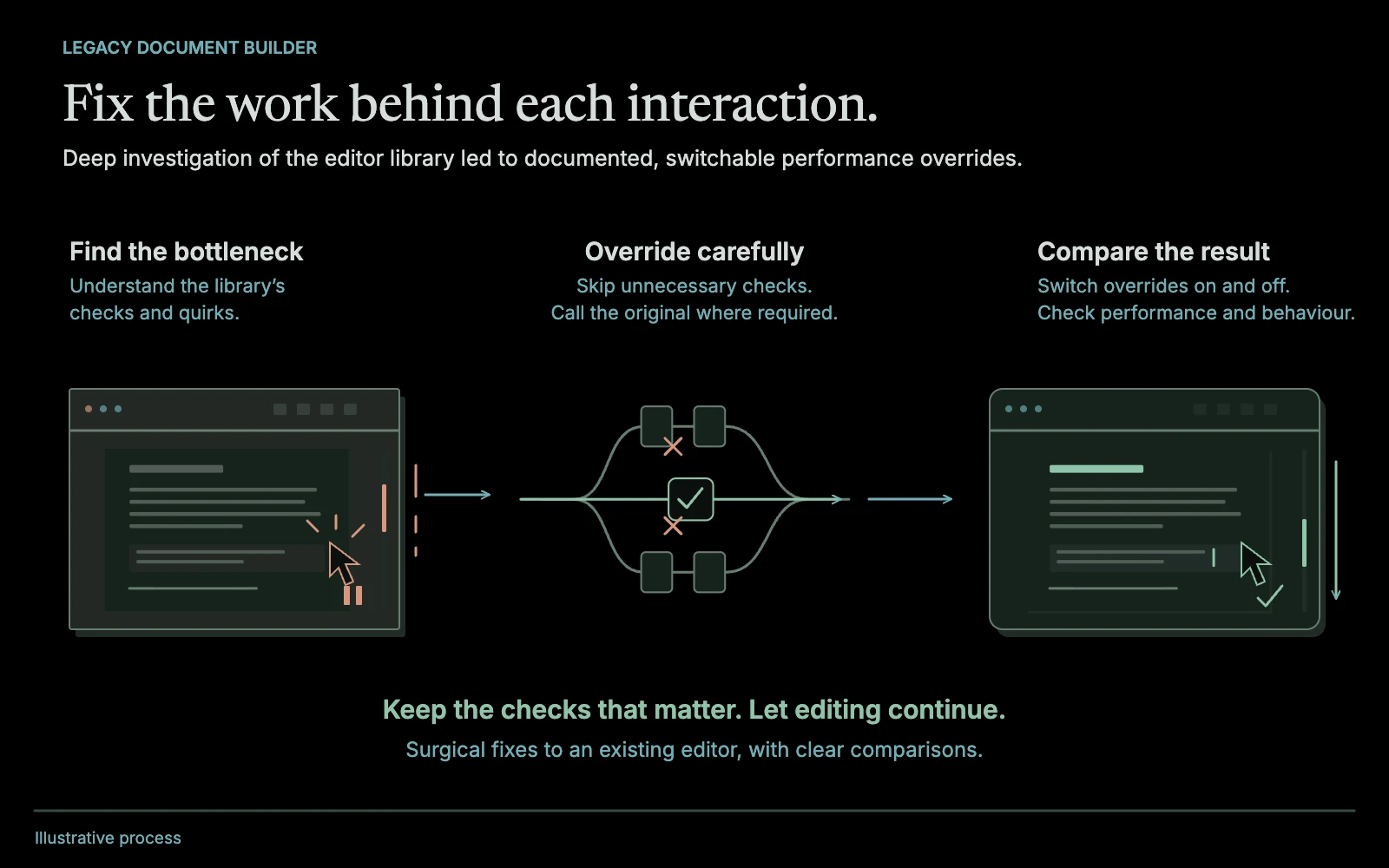
Replacing an end-of-life, plug-in-based editor for legal loan documents in a single summer, with a contract at stake.
Hands-on individual contributor
Read the case study
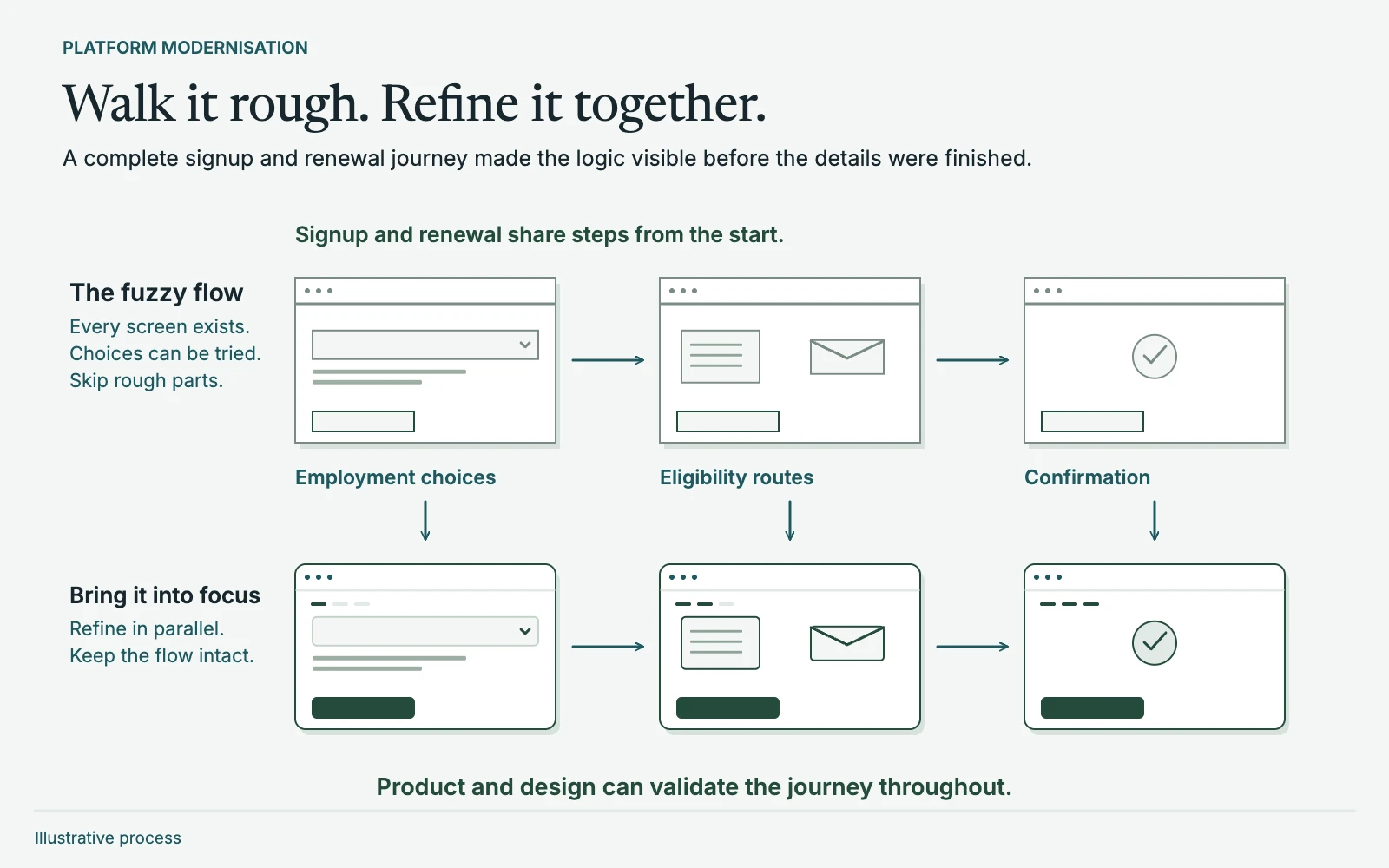
2024–2025
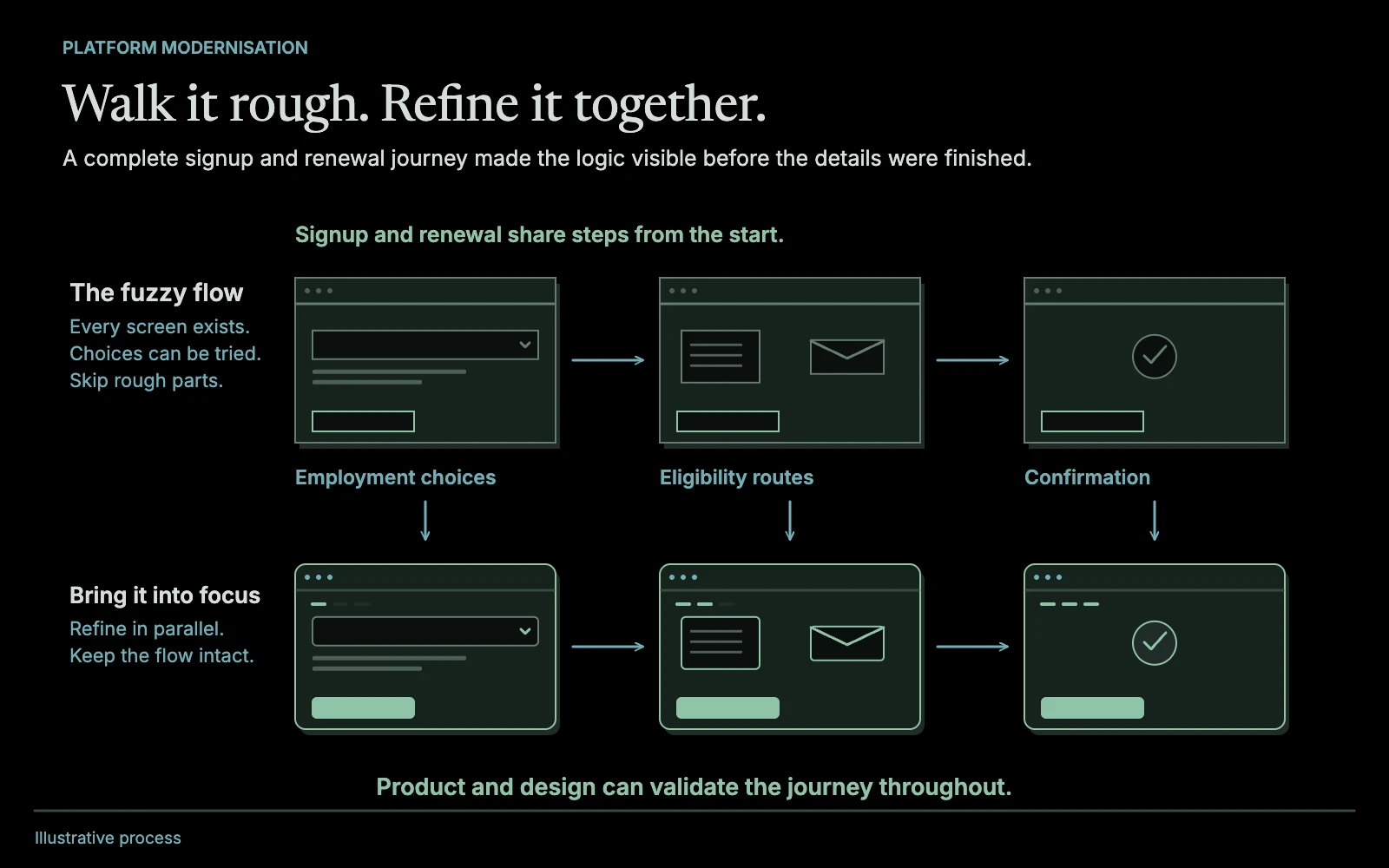
Recovering two struggling teams on a time-critical PHP modernisation, with a walkable rough frontend and a proxy between the old API and the new services.
Lead engineer
Read the case study
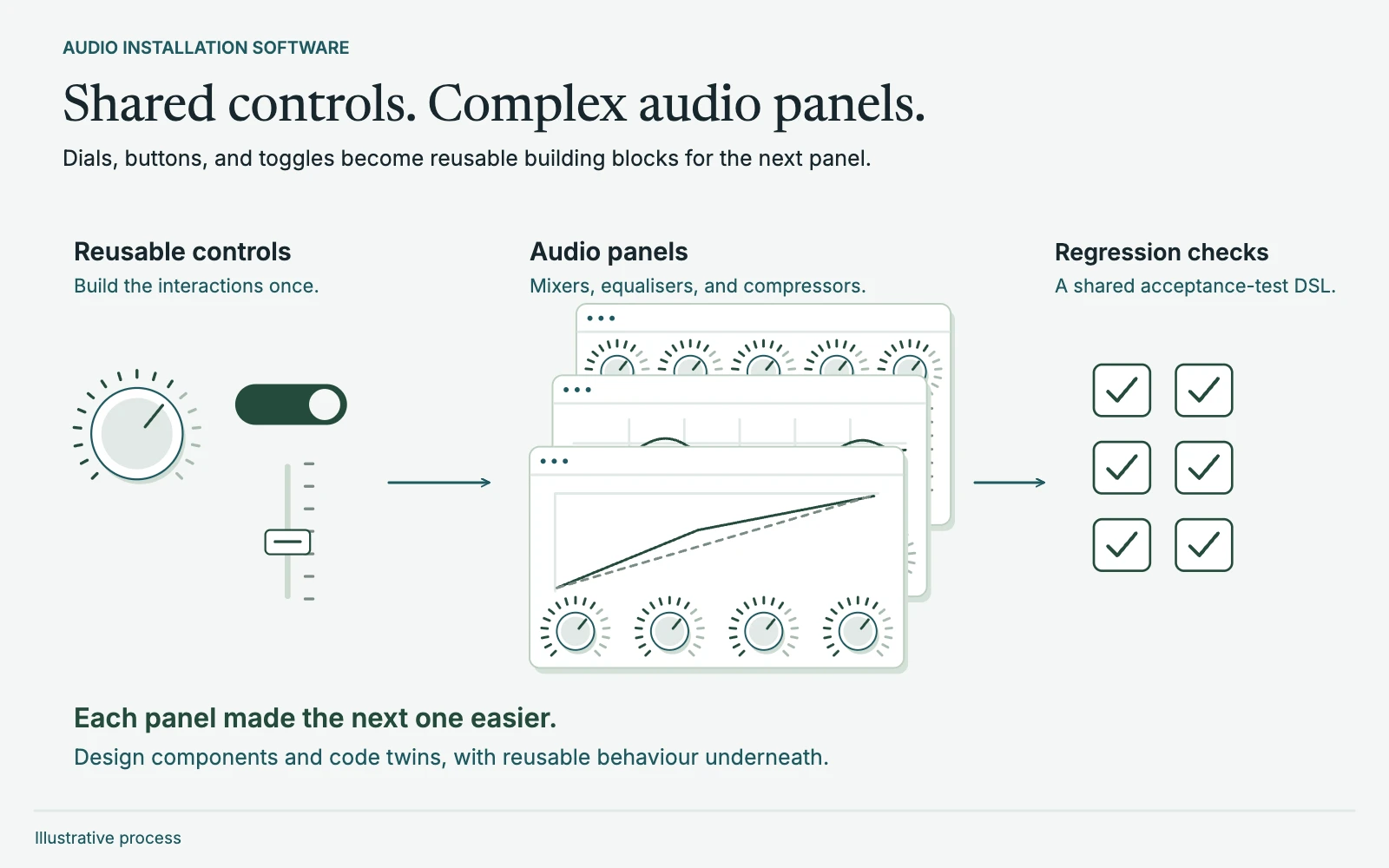
2022–2024
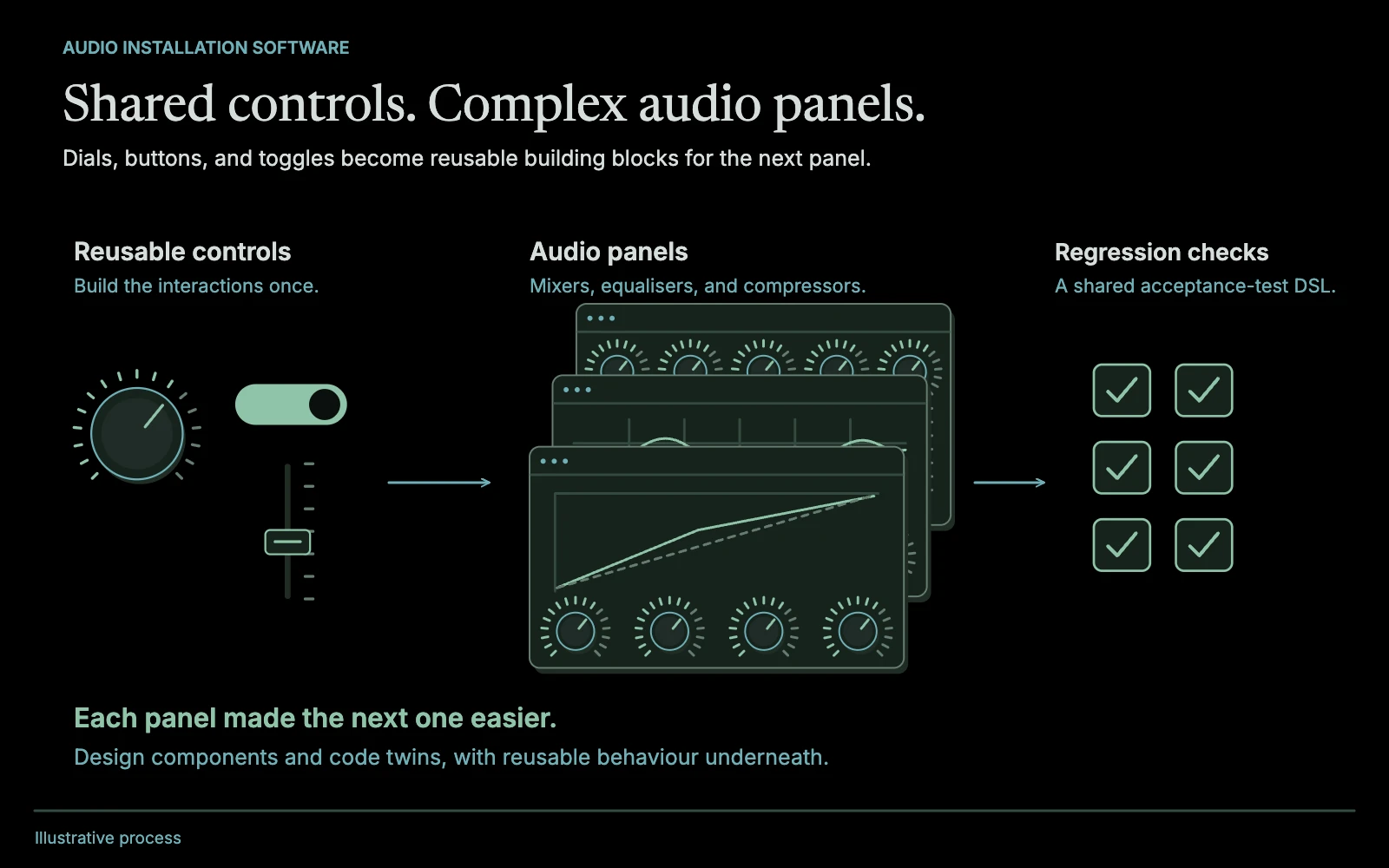
Leading a ground-up rethink of professional-audio installation software, then carrying its core idea into a released companion tool that extended the team's contract.
Engineering lead
Read the case study
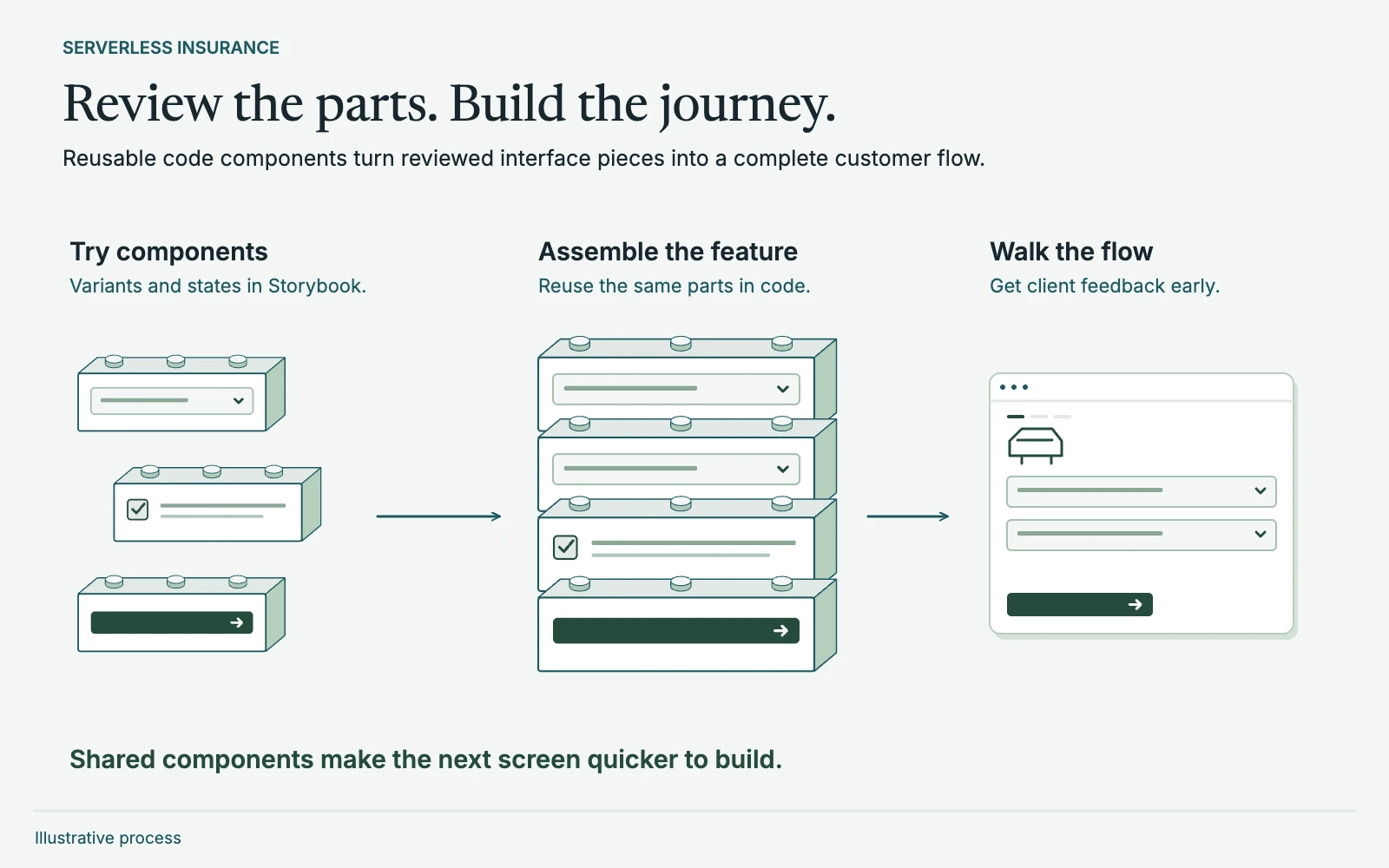
2021–2022
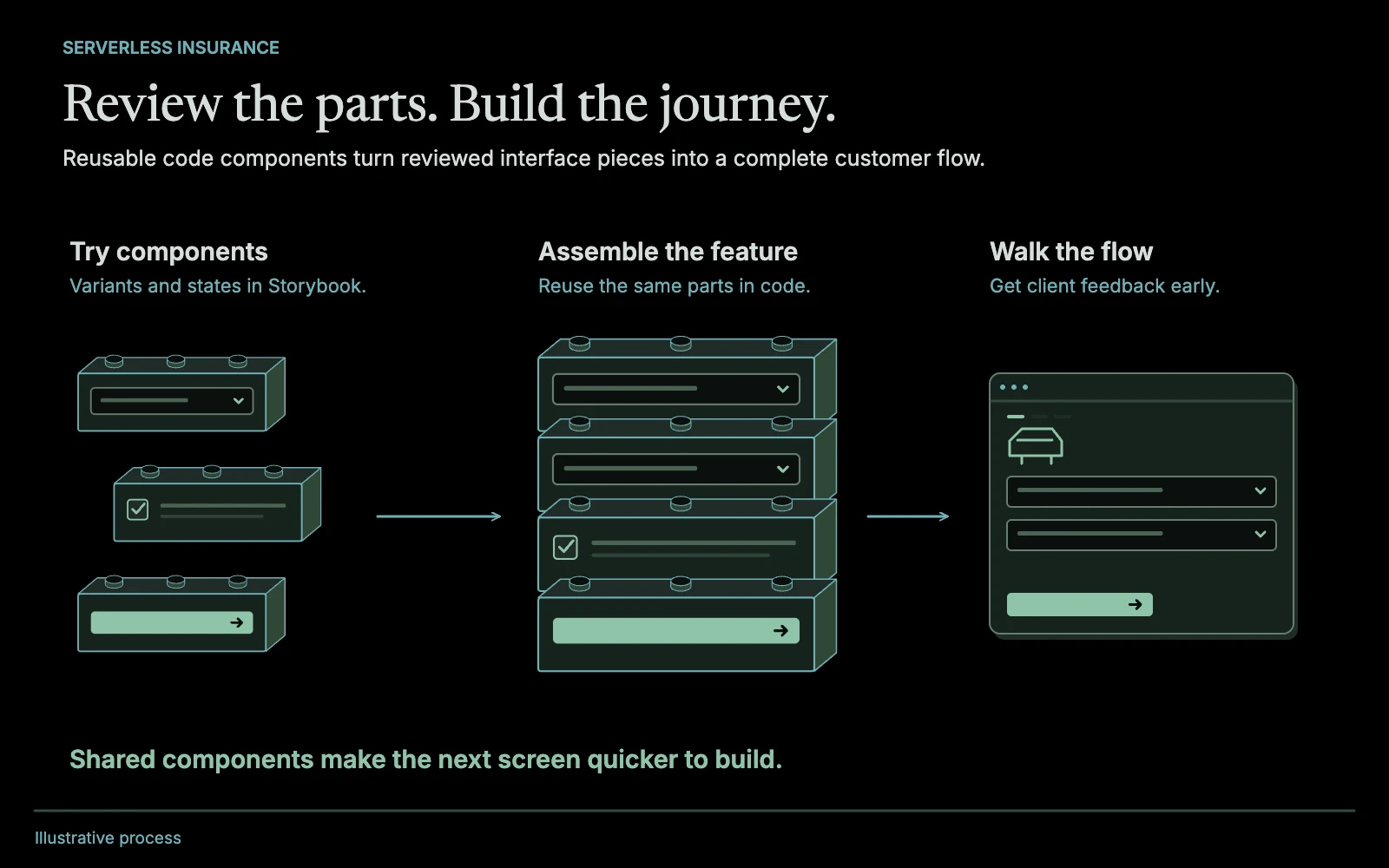
Delivering a full digital motor-insurance journey on AWS serverless in twelve months, and the developer experience that made that pace possible.
Tech lead
Read the case study
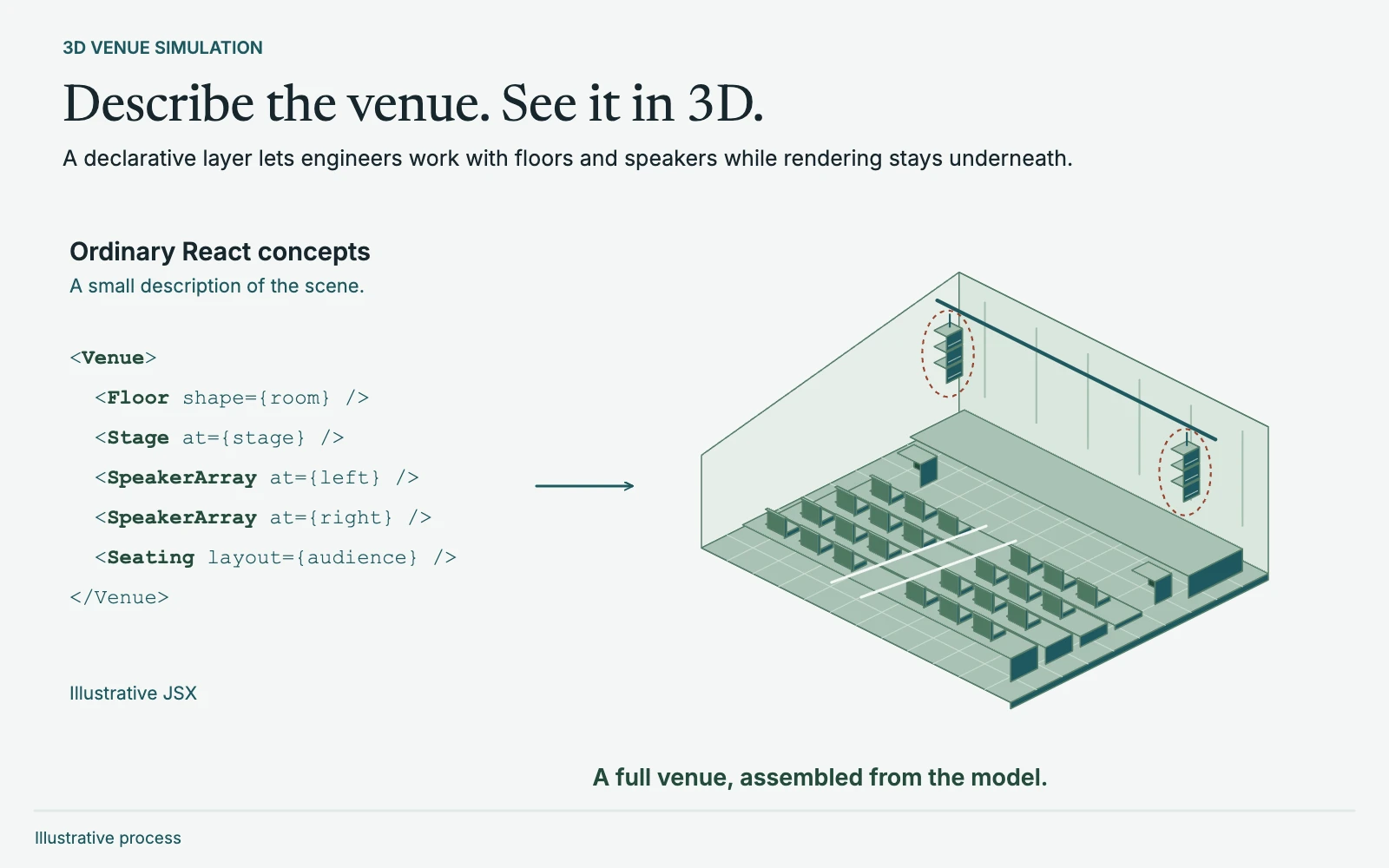
2020–2021
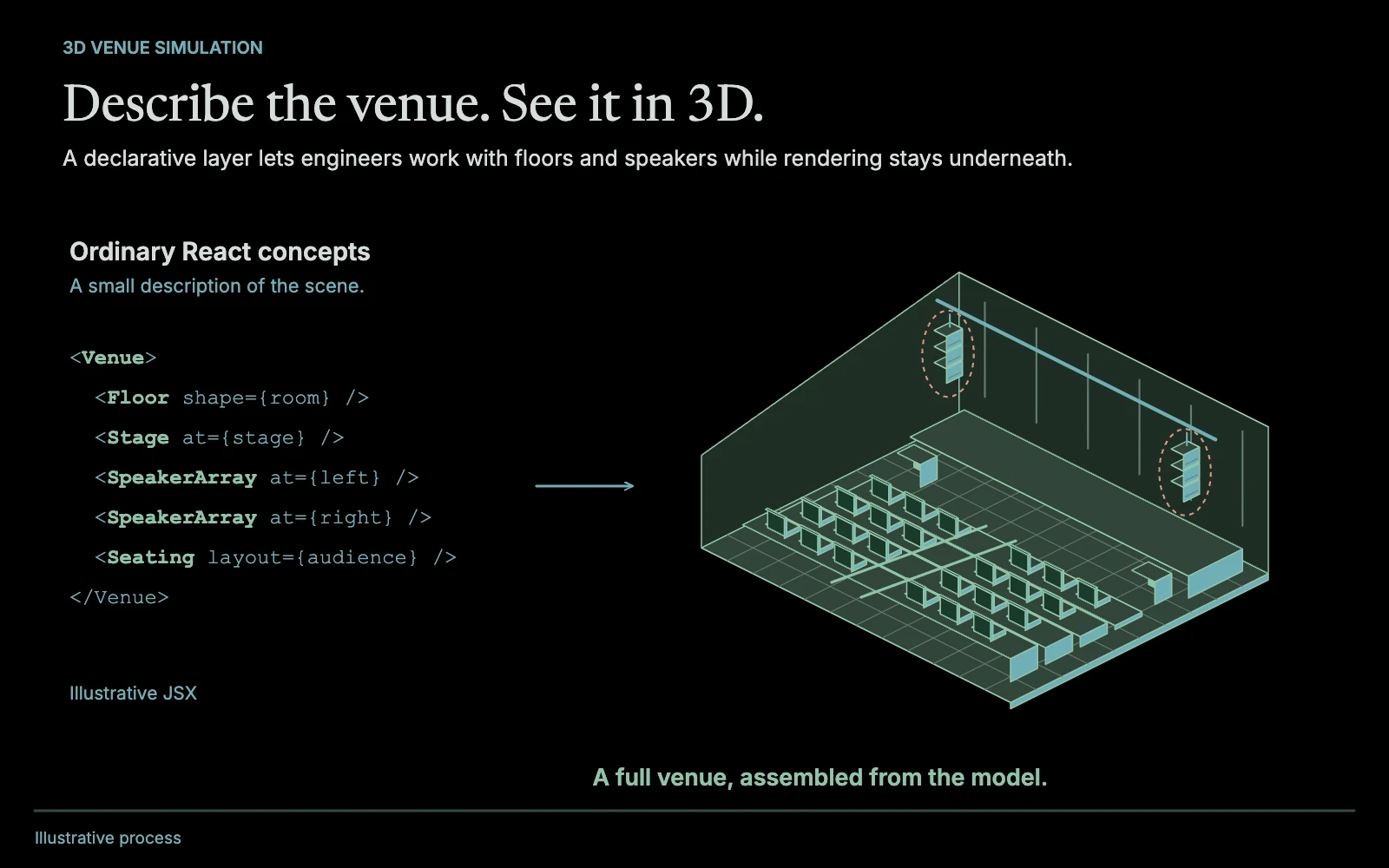
Rebuilding an extremely old venue-modelling tool in TypeScript, React, and Electron, with a declarative 3D layer, until Covid cancelled it close to completion.
Senior engineer, promoted to principal during close-out
Read the case study
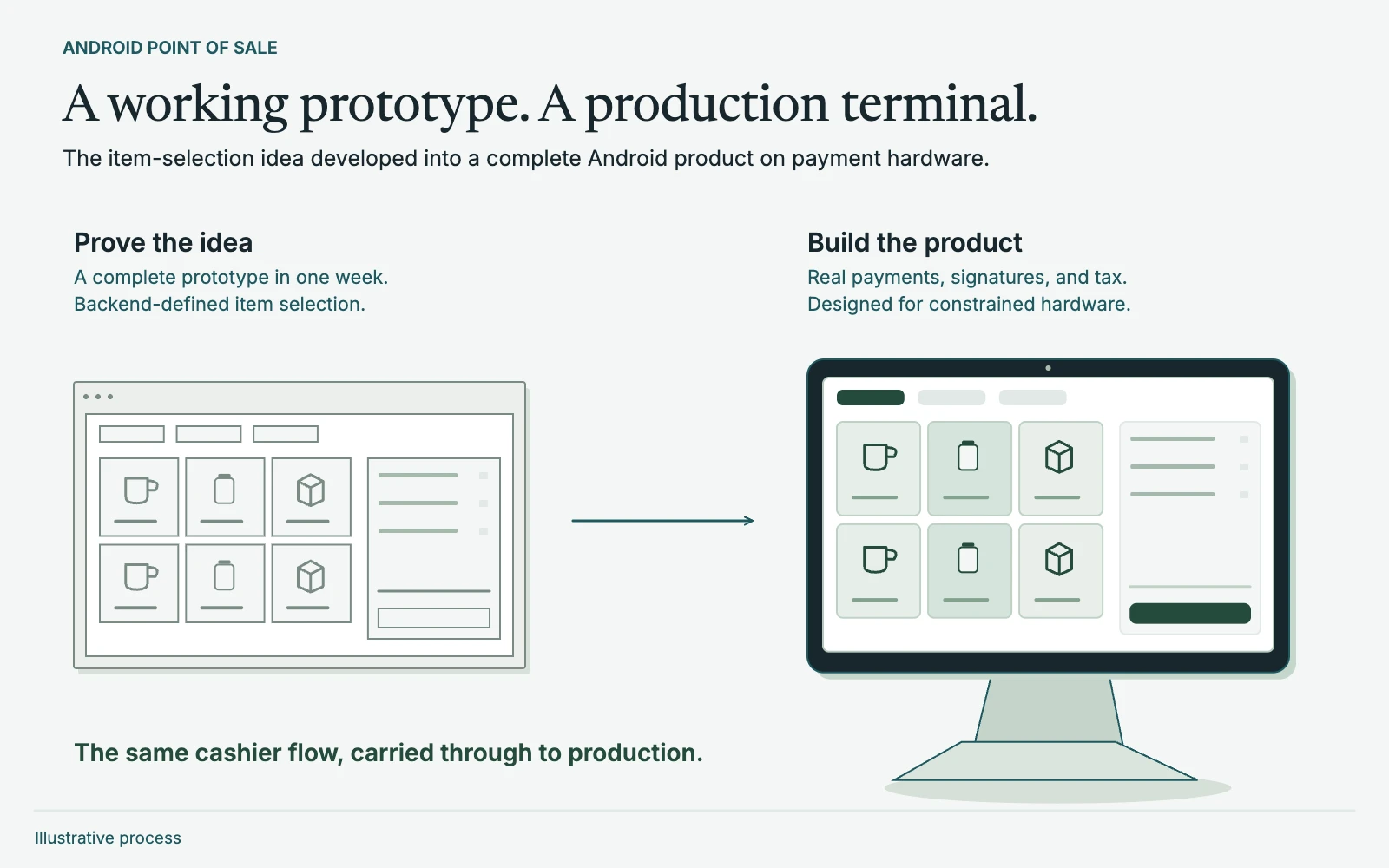
2018–2019
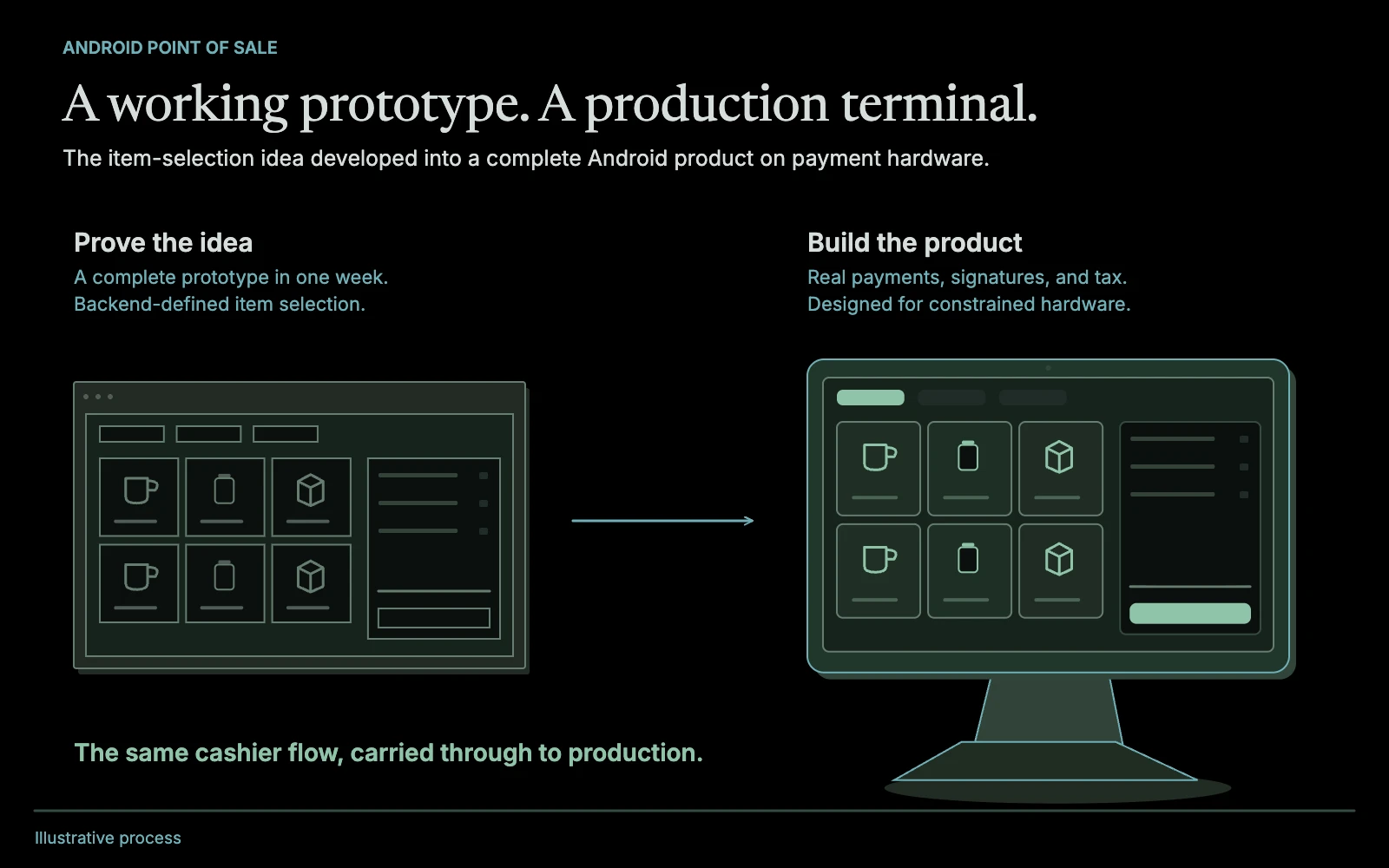
Winning an Android point-of-sale rewrite with a one-week prototype, then shipping it on a locked-down payment device.
Technical owner of our side (second half)
Read the case study
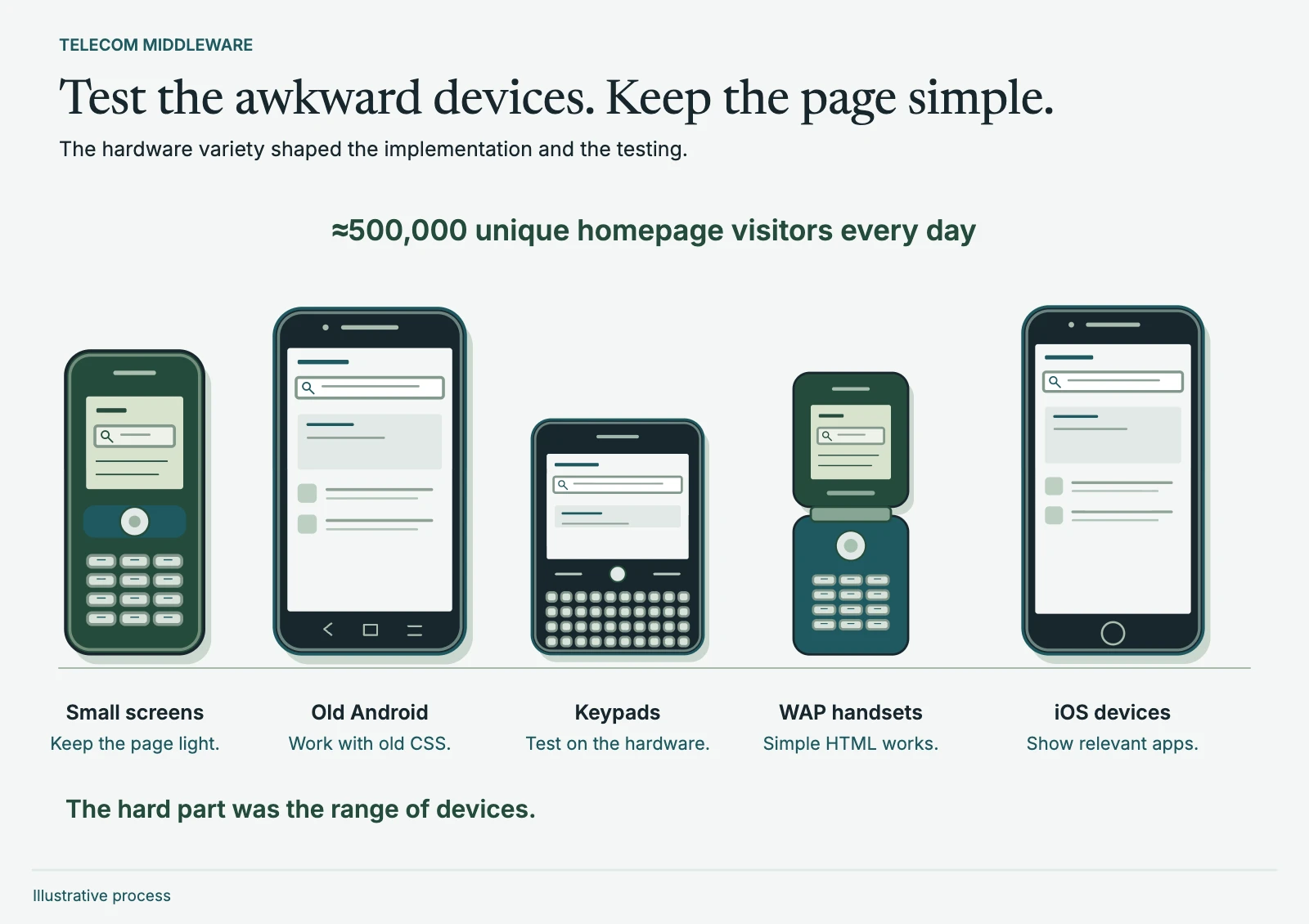
2015–2018
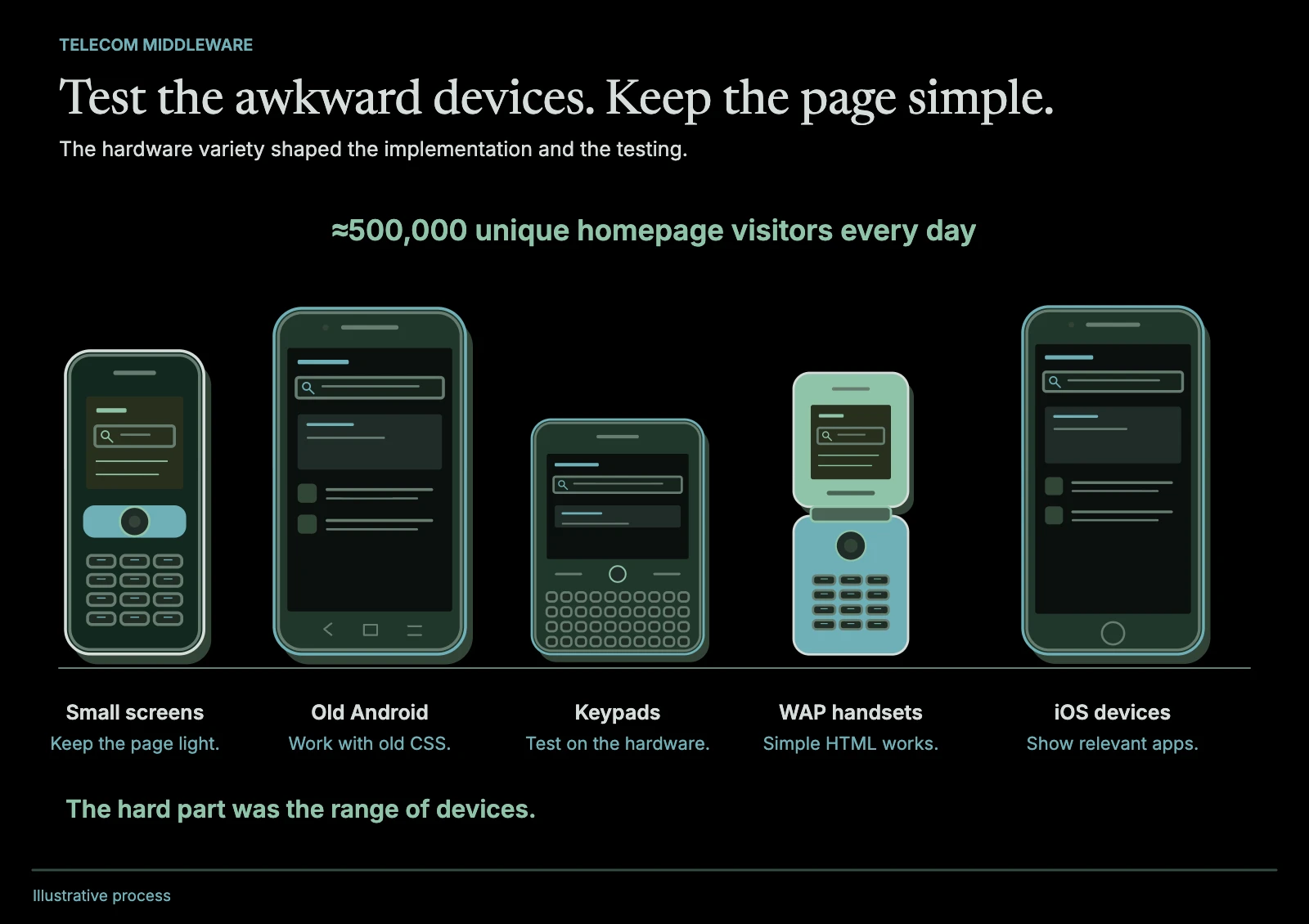
Four products for one of Canada's largest telecoms, and the testing culture that made them safe to change.
Technical lead (towards the end)
Read the case study
Open source
Useful software you can use today, and a closer look at the architecture, testing, and delivery decisions behind it.
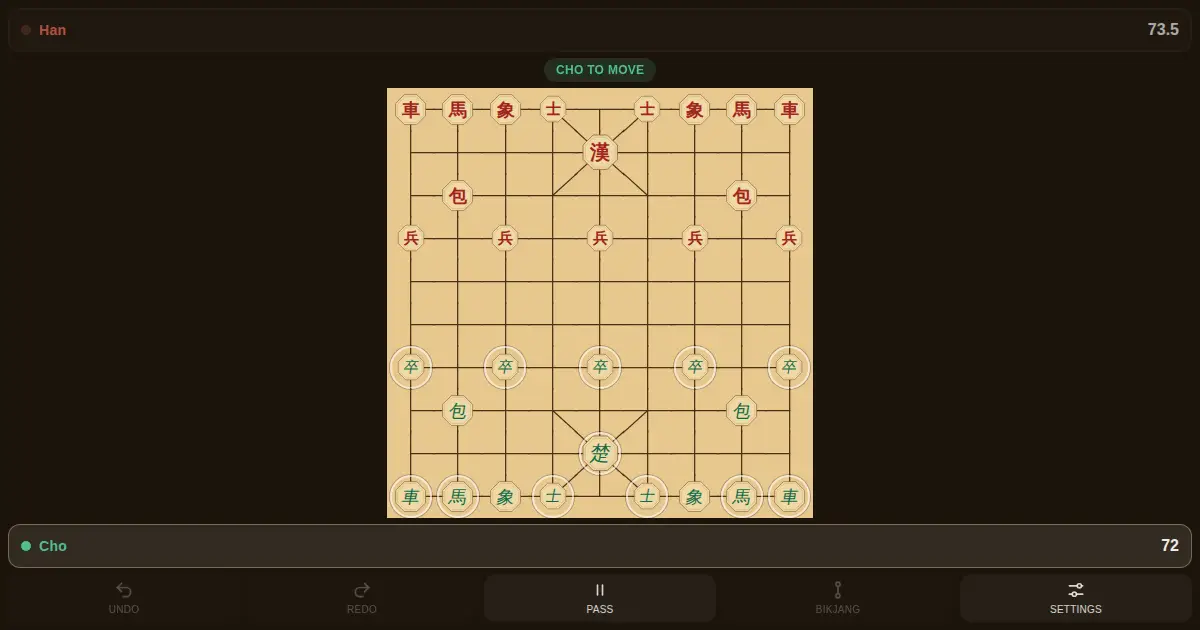
A local-first Korean chess app with optional sync and invite-only online play, built as much to show how I engineer software as to be played.
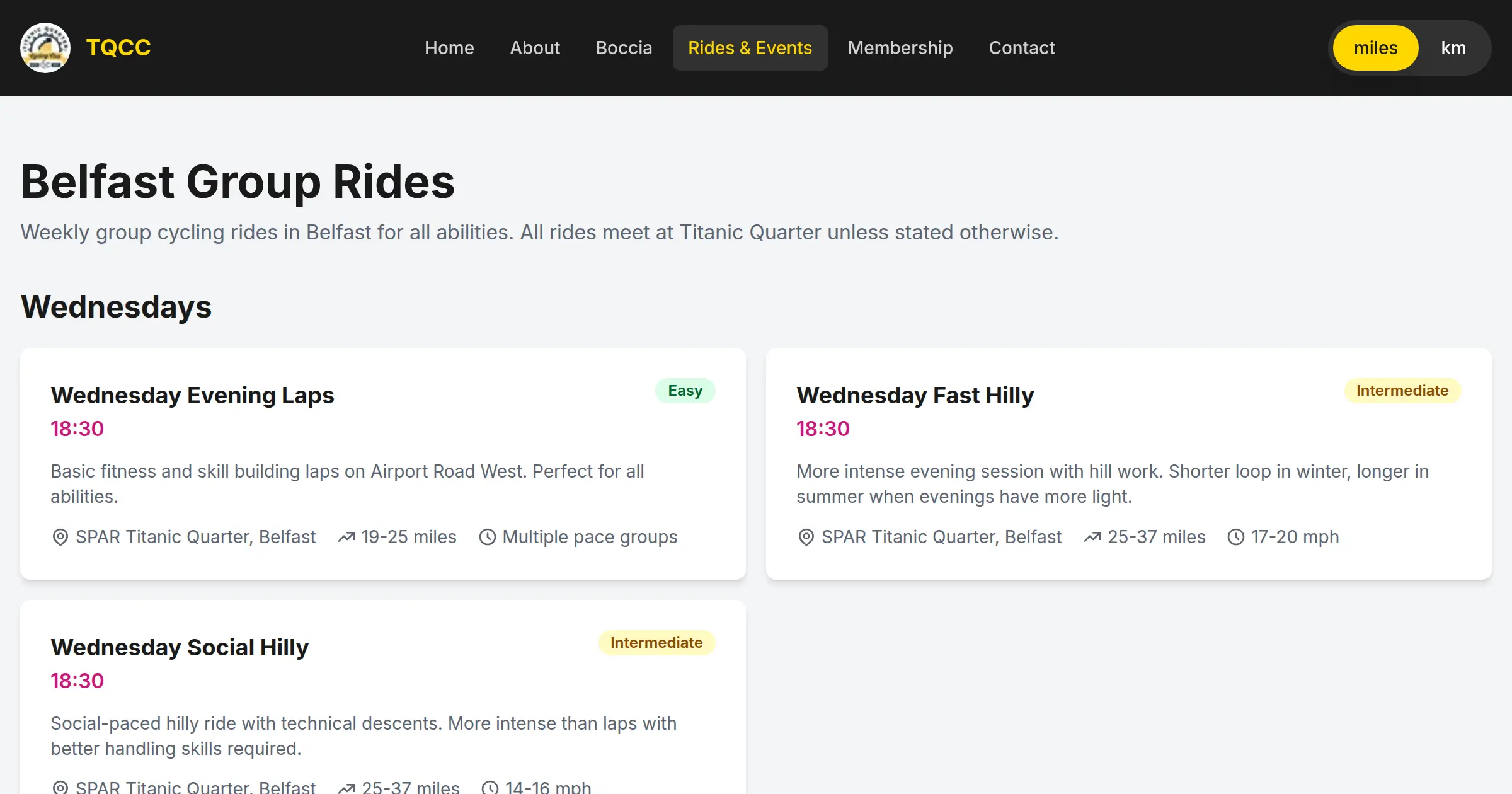
A fast, accessible site for a Belfast cycling club, with content that non-technical editors can maintain.
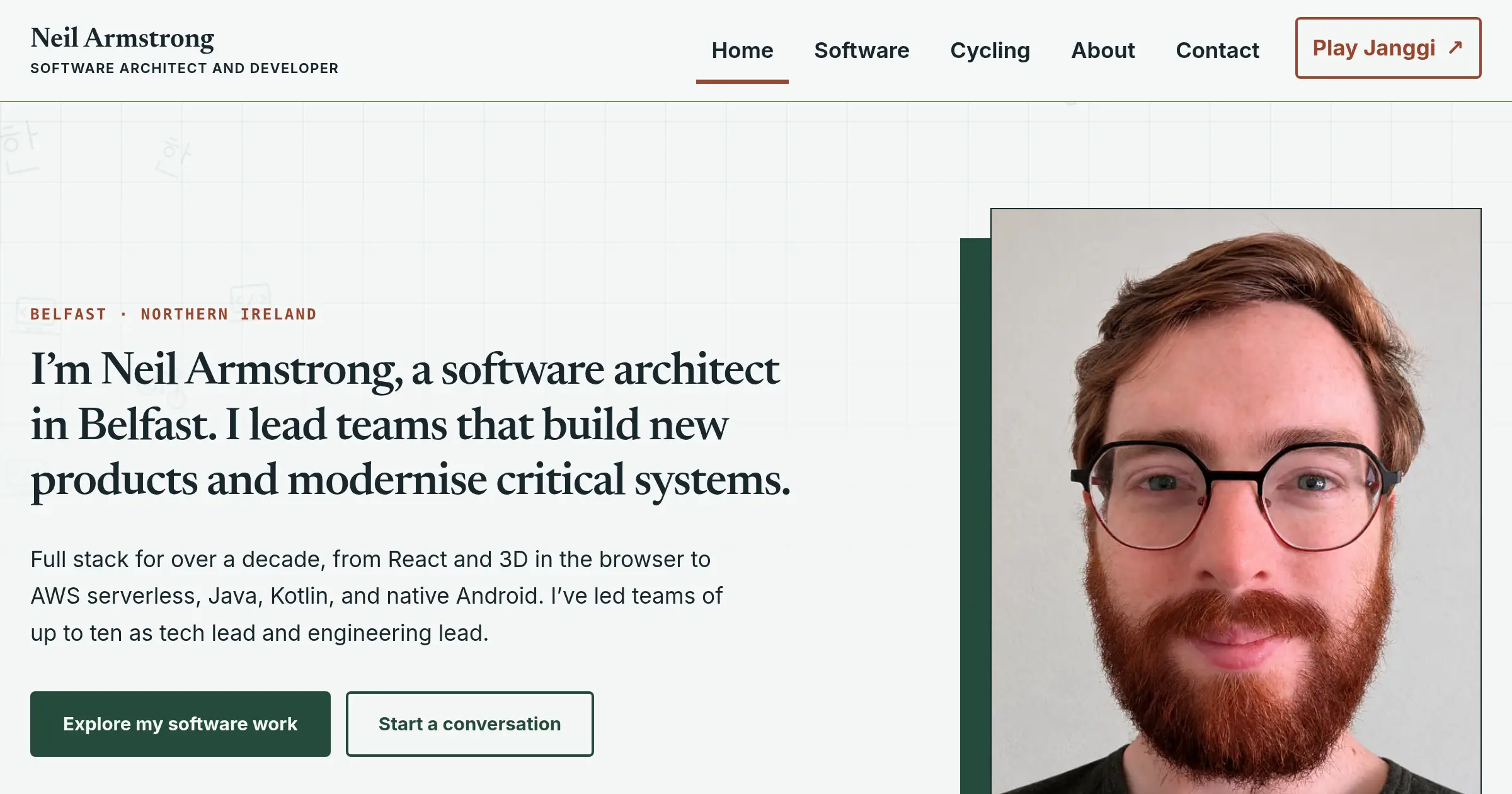
My own site: a software reference and a home for my long cycling trips, built AI native and open source.
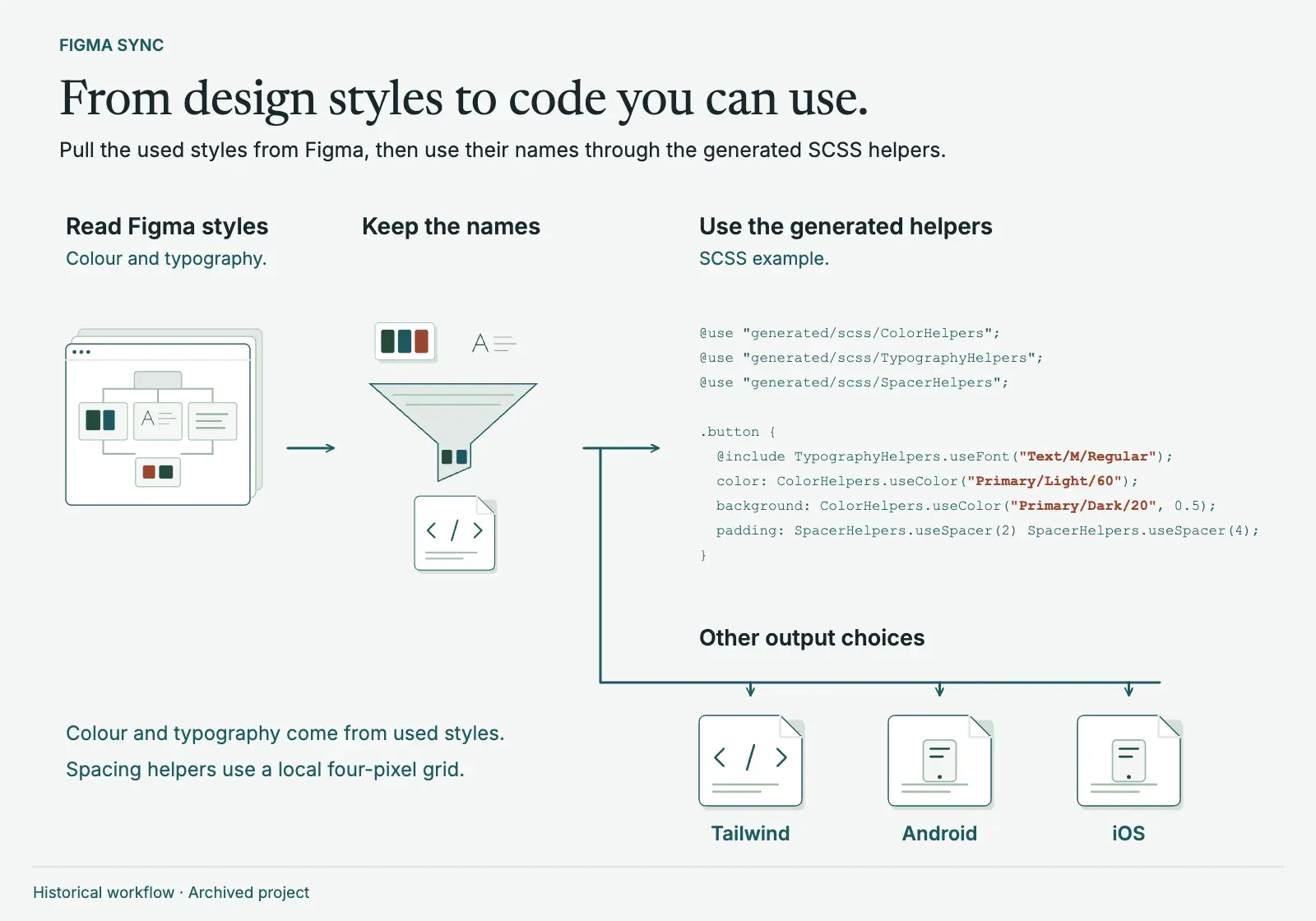
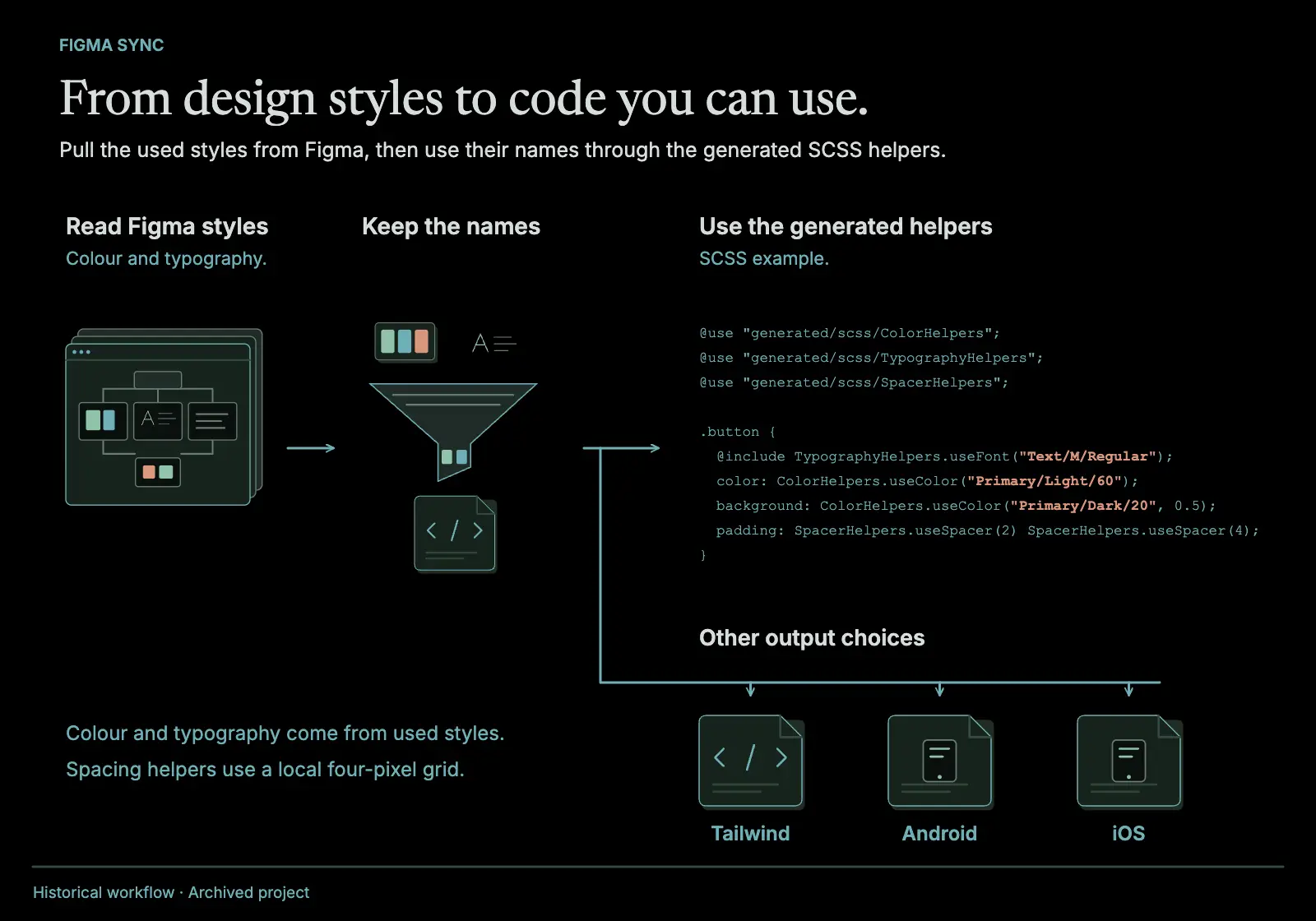
A tool I built to pull design tokens from the Figma API, so engineers use the same names as the designers. How it worked, how Code Connect compares, and what has changed since.